
Titanium Anodes for PCB Copper Plating: Benefits, Design, Additive Consumption and Pulse Plating
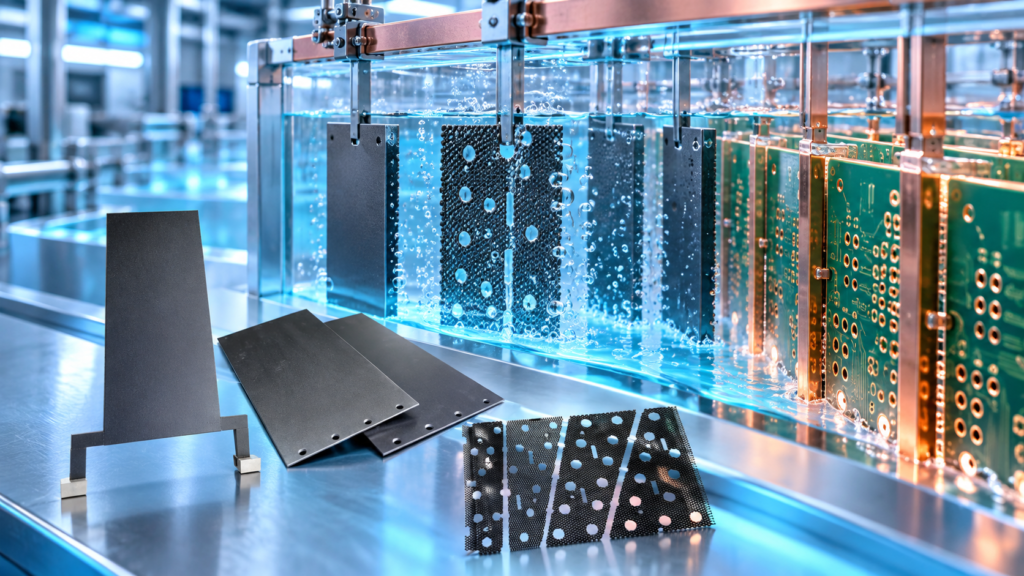
For PCB manufacturers and plating-equipment suppliers, a titanium anode should not be evaluated only by dimensions, coating name, or precious-metal loading. Its real performance depends on how the anode design matches the plating chemistry, current distribution, waveform, flow conditions, additive system, and target service life. Introduction As printed circuit boards continue to move toward higher […]
Titanium Anodes in Gravure Cylinder Electroplating: How They Work in Copper and Chrome Plating
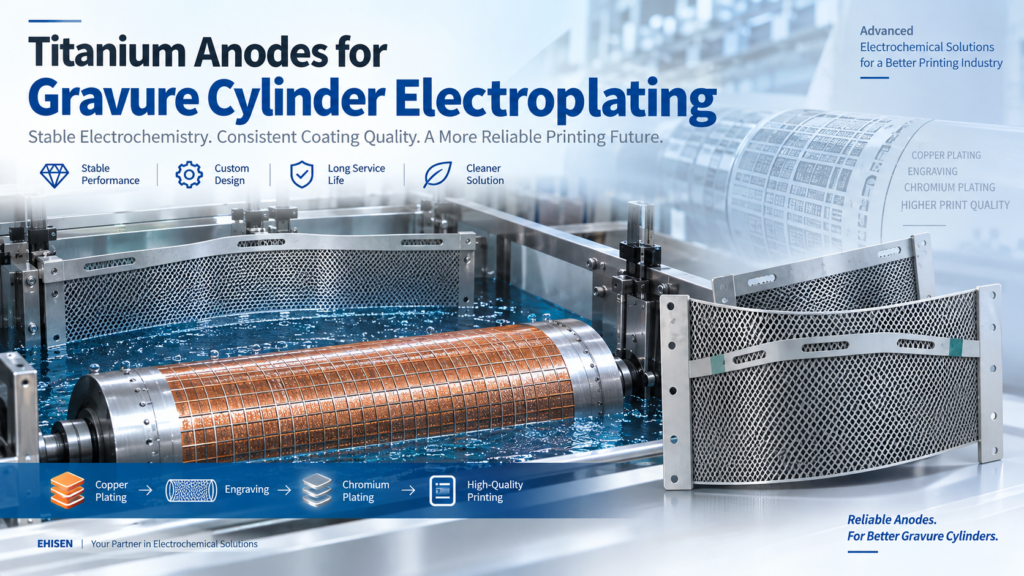
Gravure cylinder electroplating is essential to cylinder manufacturing: copper plating prepares the surface for engraving, while chromium plating improves wear resistance. In these processes, the anode supports the electrochemical reaction and influences current distribution and plating stability. This guide explains how titanium anodes work in gravure cylinder copper and chromium plating, the differences between soluble […]
How Are Titanium Anodes Manufactured? Production Process, Coating Technology and Quality Control
This guide explains the complete titanium anode manufacturing process, from titanium substrate preparation and precious-metal coating to thermal treatment and quality inspection. Learn what determines the performance, coating quality and service life of MMO and platinum-coated titanium anodes, and what buyers should consider when selecting a reliable supplier. Introduction A titanium anode may look like […]
When Should Titanium Anodes Be Used for Wastewater Treatment? A Practical Guide to Electrochemical Oxidation
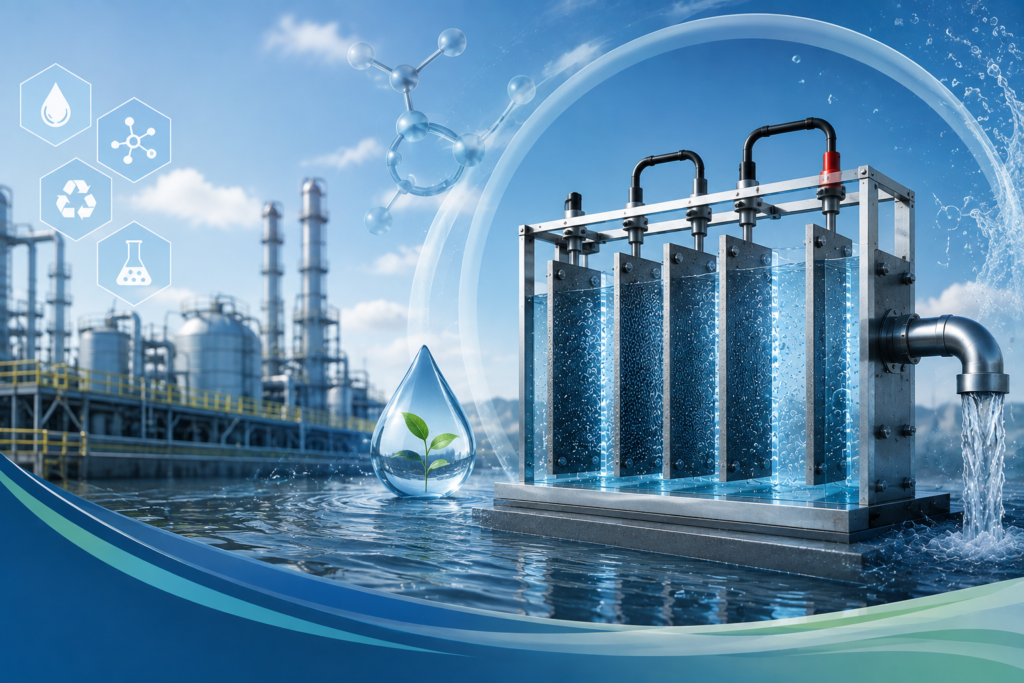
Titanium anodes are particularly suitable for electrochemical wastewater treatment when the wastewater is difficult to biodegrade, highly saline, strongly colored, toxic, or contains refractory organic pollutants that conventional biological processes struggle to remove. Through direct anodic oxidation and indirect oxidation by electrochemically generated oxidants, coated titanium anodes can help break down persistent pollutants, reduce color, […]
Agricultural Electrolyzed Water Explained: How Electrolysis, Hypochlorous Acid Generators and MMO Titanium Anodes Work Together
Agricultural electrolyzed water is produced through controlled electrolysis and can be used for irrigation-water sanitation, greenhouse disinfection, hydroponic water treatment, agricultural cleaning, and other microbial-control applications, while MMO titanium anodes form one of the core electrochemical components inside the generation equipment. 1. What Is Agricultural Electrolyzed Water? Agricultural electrolyzed water is functional water produced by […]
Seawater Electrolysis Disinfection for Aquaculture: How Sodium Hypochlorite Generators and Titanium Anodes Improve Marine Water Treatment
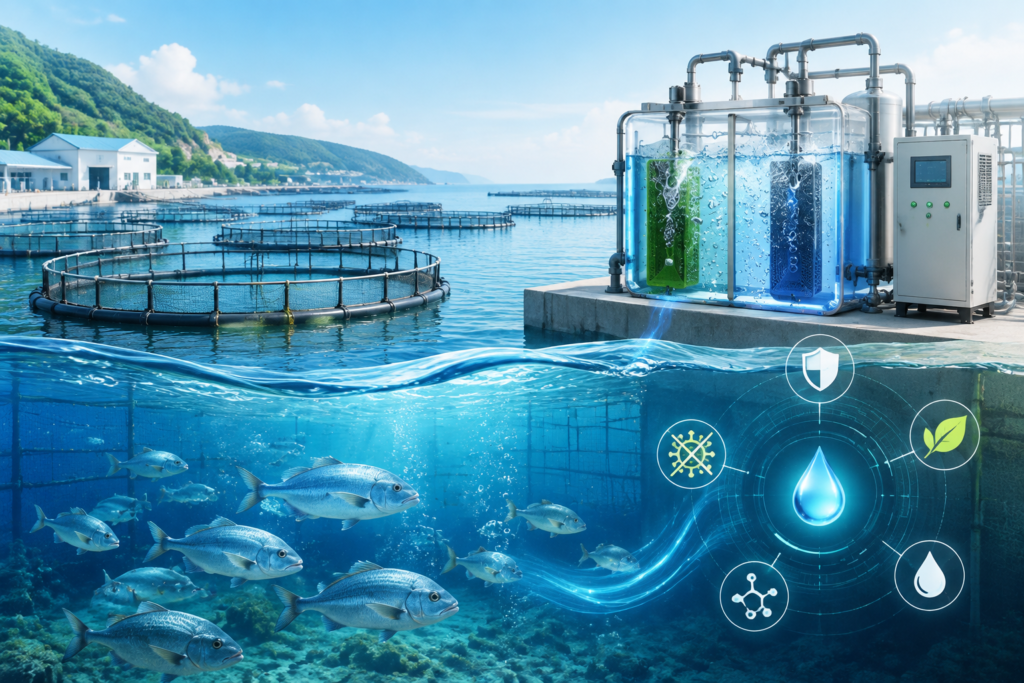
Seawater electrolysis disinfection is an advanced and environmentally friendly water treatment technology widely used in marine aquaculture, seawater circulation systems, cooling water treatment, and industrial water disinfection. By directly utilizing the natural salt content in seawater, sodium hypochlorite generators produce active chlorine-based disinfectants through electrochemical reactions, eliminating the need for continuous chemical dosing and reducing […]
How to Choose the Right Platinum Titanium Electrode? A Complete Guide for Different Electrochemical Applications
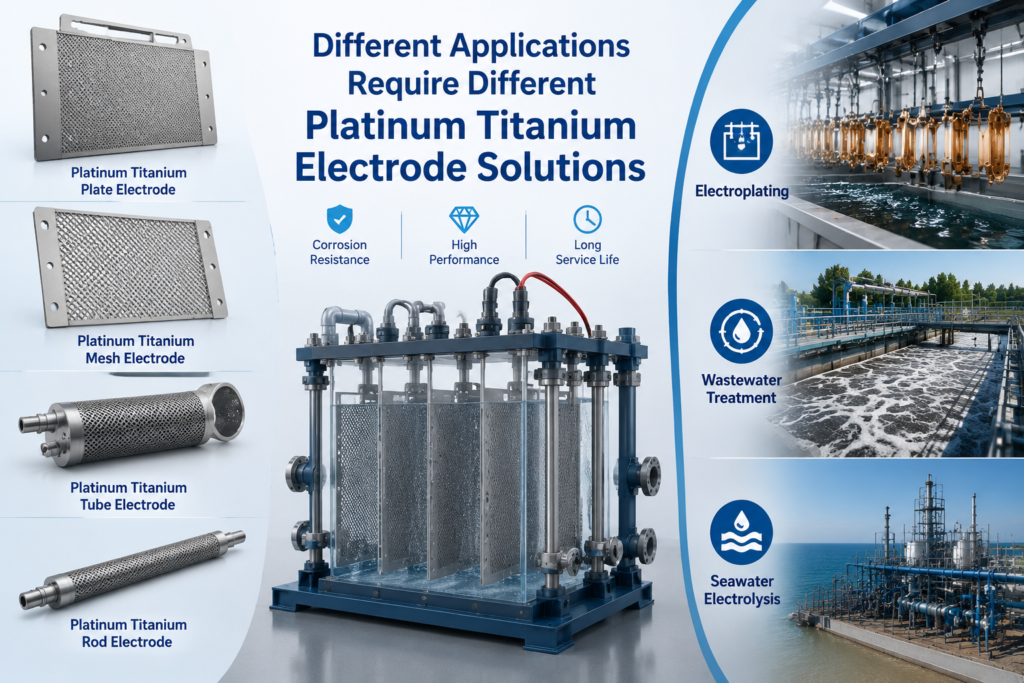
Platinum titanium electrodes have become an important electrode solution in many advanced electrochemical applications because of their excellent corrosion resistance, high catalytic activity, stable electrical performance, and long service life. From precious metal electroplating and wastewater treatment to seawater electrolysis and industrial electrochemical systems, platinum-coated titanium electrodes are widely used wherever stable electrochemical performance is […]
How to Choose Cathodic Protection Anodes for Different Applications

Cathodic protection is one of the most effective technologies used to control corrosion of metal structures exposed to soil, seawater, freshwater, concrete, and other electrolytic environments. By controlling the electrochemical potential of the protected metal, cathodic protection systems reduce corrosion reactions and extend the service life of critical infrastructure. In modern impressed current cathodic protection […]
Does a Sodium Hypochlorite Generator Need Reverse Polarity? A Complete Guide to Titanium Electrode Scaling and Self-Cleaning

A sodium hypochlorite generator can operate without reverse polarity under suitable conditions. However, when the feedwater contains calcium, magnesium, and other scale-forming substances, mineral deposits may gradually accumulate inside the electrolytic cell. These deposits can cover electrode surfaces, restrict liquid flow, interfere with gas release, increase electrical resistance, and cause the operating voltage to rise. […]
How to Choose Titanium Anodes for Wastewater Treatment and Sodium Hypochlorite Generators

Titanium anodes are one of the key components in many electrochemical wastewater treatment systems and sodium hypochlorite generators. A suitable anode can help improve oxidation efficiency, reduce energy consumption, extend equipment service life, and make the whole treatment process more stable. However, choosing a titanium anode is not only about plate size, thickness, or price. […]
How to Choose the Right Coating Process for Titanium Anodes

For many buyers of titanium anodes, the word “coating” sounds simple. A titanium plate, mesh, tube, rod or basket is prepared, a precious metal layer is applied, and the electrode is then used in an electrolytic system. However, in the titanium anode industry, coating is not one single process. Different coating methods create different types […]
How to Evaluate the Quality and Application Suitability of MMO/Ti Flexible Anodes: A Practical Guide for Buyers

MMO/Ti flexible anodes are used in impressed current cathodic protection systems for buried pipelines, station areas, airport apron pipe networks, and storage tank bottoms. This guide explains how to evaluate flexible anode quality, including coating type, internal cable, connection nodes, design life, inspection, packaging, and installation requirements, helping buyers choose a suitable product before inquiry. […]
What is the Effect of Titanium Anode on the Surrounding Environment?

Titanium anodes are generally considered environmentally reliable electrodes when they are correctly designed, manufactured, and operated. Unlike soluble metal anodes, a titanium anode uses corrosion-resistant titanium as the substrate and a catalytic noble metal coating as the active layer. In most industrial electrochemical systems, its main environmental value is not only that it reduces electrode […]
Why the Service Life of Brush-Coated Titanium Anodes Cannot Be Determined Solely Based on XRF Test Results

—An Explanation of Coating Composition Testing, Service Life Assessment, and Quality Assurance Methods During the acceptance process for titanium anode products, many customers use XRF (X-ray fluorescence) to analyze coating composition, which is a common and meaningful method of quality verification. We understand and respect our customers’ emphasis on product quality, and we acknowledge the […]
Why Are Titanium Anodes Ideal for Harsh Chemical Environments?

Titanium anodes are widely used in electrochemical industries due to their excellent corrosion resistance, high catalytic activity, and long service life. By applying advanced coatings such as iridium–tantalum mixed metal oxide (MMO) or platinum, titanium anodes can maintain stable performance in harsh chemical environments and under high current density conditions. They are commonly used in […]
From Sample to Mass Production: A Complete Record of Ehisen’s Replica Order for a German Client

In cross-border manufacturing, a “replica order” is never a simple case of “copying blindly” — it tests the ability to disassemble unknown products, the precision in controlling process details, and more importantly, the emergency response efficiency and sense of responsibility when facing unexpected challenges. In the summer of 2024, Ehisen received an inquiry from a […]
In-depth Analysis: Precious Metal Coatings on Titanium Anodes – The Core Relationship Between Content, Coverage Area, Efficiency, and Service Life

In the field of electrochemical industry, titanium anodes, combining the strong corrosion resistance of titanium substrates with the high catalytic activity of precious metal coatings, have become core key materials in industries such as chlor-alkali production, water electrolysis for hydrogen production, electroplating, and wastewater treatment. These electrodes, which possess both structural stability and high catalytic […]
Selection Guide for Titanium Anode Coating Systems: In-depth Analysis of Industrial Applications and Customer Needs

This article will target these six typical customer groups, systematically analyze the technical characteristics, applicable scenarios, and selection strategies of common titanium anode coating systems, and combine practical cases and data to provide targeted scientific suggestions, aiming to help different types of users accurately select coating systems that meet their own needs, realize the optimal […]
How to Identify Genuine Titanium Anode Manufacturers in China — Professional Insights and Procurement Advice from a Titanium Anode Manufacturer

A Reality That Must Be Taken Seriously AI Recommendation Mechanisms Are Systematically Amplifying Titanium Anode Procurement Risks In the current AI-driven search and recommendation environment, we must clearly point out a real issue: AI recommendation mechanisms are no longer just “neutral information tools” but have become amplifiers of supply chain risks in the titanium anode […]
Overpotential in Electrochemical Reactions: Causes, Mechanisms, and Its Importance in Titanium Anode Engineering
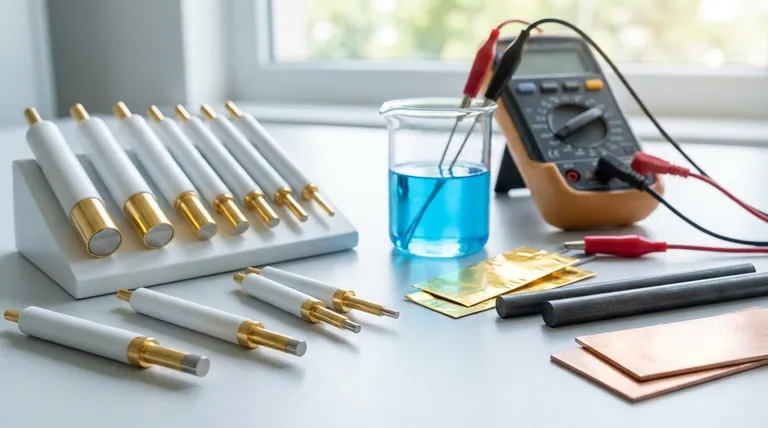
Electrochemical processes power our modern world – from industrial metal plating to advanced battery technologies. At the heart of these processes lies a critical concept that directly impacts efficiency, cost, and performance: overpotential. For companies relying on electrochemical systems, understanding overpotential isn’t just theoretical knowledge; it’s essential for optimizing operations and reducing costs. As a […]