
Home/Applications/PCB Electroplating Titanium Anode Solution
This page covers: insoluble titanium-based anodes for PCB copper electroplating, including panel plating, pattern plating, through-hole plating, and HDI applications where current-distribution control and repeatable electrode geometry are required.
This page does not cover: soluble copper anodes or titanium anode baskets used with copper balls; see Titanium Anode Baskets. It also does not cover chlorine-evolution duties or non-PCB electrolytic processes.
Selection basis: “High precision” is defined by the complete electrode assembly—active-area geometry, coating selection, flatness, positioning, busbar contact, anode-to-cathode spacing, and shielding—not by coating type alone.
High-precision PCB electroplating anodes are insoluble titanium anodes engineered for acid copper plating lines where plated-thickness consistency, stable current distribution, and repeatable panel processing are critical. The titanium substrate provides dimensional stability, while the catalytic coating is selected against the electrolyte and anodic reaction.
For PCB plating, anode performance must be evaluated as part of the plating cell rather than as an isolated component. Active-area layout, coating loading, panel size, current density, anode-to-cathode distance, electrolyte circulation, and auxiliary shielding all affect deposit distribution. Final configuration is therefore confirmed against the customer’s line layout and process conditions.
PCB electroplating requires controlled current distribution to support consistent copper deposition across the effective panel area. The anode is therefore specified as part of the plating cell, together with the active-area layout, panel travel or rack arrangement, electrical connection, solution circulation, and shielding arrangement.
| Process challenge | Engineering impact |
|---|---|
| Uneven copper distribution | Requires review of anode active area, spacing, shielding, and current path |
| Different panel sizes | Requires defined effective plating area and compatible anode geometry |
| High-current production duty | Requires appropriate connection design and coating selection |
| Chloride and additive sensitivity | Requires bath-specific coating review |
| Existing-line replacement | Requires mounting, busbar, and electrical-interface matching |
| Fine-line or HDI requirement | Requires more controlled current distribution and process repeatability |
| Engineering item | Required information |
|---|---|
| PCB process | Panel plating / pattern plating / PTH / HDI / other |
| Plating bath | Copper concentration, sulfuric acid, chloride level, additives, temperature, contaminants |
| Panel dimensions | Maximum/minimum panel size and effective plating area |
| Production arrangement | Vertical / horizontal / rack / conveyor plating line |
| Electrical duty | Total current, average current density, peak current, rectifier waveform |
| Cell layout | Anode-to-cathode spacing, number of anodes, shielding, agitation, filtration |
| Connection | Busbar dimensions, lug location, cable connection, insulation requirements |
| Design-life basis | Operating hours, maintenance cycle, replacement criterion |
| Documentation | Drawing approval, inspection report, coating report, certificate requirements |
| Solution module | Possible configuration |
|---|---|
| Core anode | MMO-coated titanium mesh, plate, perforated plate, or custom geometry |
| Titanium substrate | 【Grade 1 / Grade 2 / confirmed per order】 |
| Coating | Oxygen-evolving MMO coating, formulation confirmed per electrolyte |
| Active area | Defined by panel plating window and current-distribution requirement |
| Electrical connection | Titanium lug / copper-titanium transition / custom busbar interface |
| Mechanical structure | Titanium frame, mounting holes, insulated support, custom bracket |
| Auxiliary parts | Shielding plate, current-distribution component, mounting assembly |
| Documentation | Drawing, inspection record, coating report, packing list |
For PCB electroplating, electrode performance is determined by the complete cell configuration. Anode material and coating should be reviewed together with active-area geometry, panel location, spacing, solution movement, electrical connection, and shielding requirements.
| Design item | Definition |
|---|---|
| Anode form | Mesh / plate / perforated plate / custom fabricated assembly |
| Active area | Matched to panel plating zone |
| Anode quantity | Defined by tank length, panel width, and current demand |
| Spacing | Anode-to-panel distance confirmed by line layout |
| Current distribution | Reviewed through anode position, shape, shielding, and busbar arrangement |
| Connection zone | Designed for current load and existing busbar interface |
| Mounting | Hole locations, brackets, insulation, and replacement access |
| Maintenance | Cleaning, inspection, and replacement arrangement |
| Parameter | Specification |
|---|---|
| Product type | Insoluble titanium anode assembly |
| Substrate | 【Titanium grade confirmed per order】 |
| Coating | Oxygen-evolving MMO coating |
| Shape | Mesh / plate / perforated plate / custom |
| Dimensions | Per approved drawing |
| Active area | Per plating-window requirement |
| Frame | Titanium frame or custom fabrication |
| Connection | Titanium lug / copper-titanium transition / custom |
| Current density | Confirmed per order |
| Service life | Confirmed against bath chemistry and operating duty |
| Inspection scope | Confirmed per order |
Each PCB plating anode assembly is manufactured against the confirmed drawing, electrical connection requirement, active-area definition, coating specification, and agreed inspection scope.
| Quality item | Verification basis |
|---|---|
| Titanium material | Material certificate or agreed verification |
| Dimensions | Inspection against approved drawing |
| Active area | Checked against drawing and plating-window definition |
| Welding and fabrication | Visual inspection and agreed fabrication checks |
| Connection interface | Verified against busbar or connection requirement |
| Coating | Coating verification method confirmed per order |
| Final inspection | Final release inspection before packing |
| Documents | Inspection report, coating report, certificate of conformity, packing list |
Included scope: 【Anode assembly, connection components, mounting features, drawings, agreed inspection documents, export packing】.
Excluded scope: plating chemicals, rectifier, complete tank system, site installation, process optimization, and commissioning unless separately stated.
Customer responsibility: provide bath data, panel dimensions, line layout, connection interfaces, controlled drawings, and acceptance criteria.
Please provide the following information for an engineering review and comparable quotation.
| Required input | Definition |
|---|---|
| Plating process | Panel plating / pattern plating / PTH / HDI |
| Bath chemistry | Copper, acid, chloride, additives, temperature, contaminants |
| Panel dimensions | Minimum/maximum panel size and effective plating area |
| Line drawing | Tank dimensions, panel position, anode location, installation space |
| Electrical load | Total current, current density, peak load, rectifier type |
| Existing anode data | Drawing, photos, dimensions, connection details, replacement reason |
| Required geometry | Active area, mounting holes, frame, tolerance requirements |
| Connection method | Busbar, cable, lug, orientation, insulation requirement |
| Target life | Expected operating period and maintenance plan |
| Quantity | Prototype, replacement quantity, or annual demand |
| Documentation | Drawing approval, coating report, inspection report, third-party inspection |
The system can be reviewed for panel plating, pattern plating, PTH, HDI, and other copper electroplating processes. Final suitability depends on the confirmed bath chemistry, electrical duty, and plating-cell layout.Yes. Please provide the controlled drawing revision, active-area dimensions, mounting and connection requirements, tolerances, quantity, and inspection criteria.Coating selection is reviewed against the acid copper bath chemistry, chloride level, additives, temperature, current duty, and target operating period. The final coating specification is confirmed per order.Yes. Replacement configuration can be reviewed from existing drawings, measured dimensions, photographs, busbar details, mounting interfaces, and process conditions.No. Current density and service life are confirmed against the actual electrolyte, coating specification, active area, electrical duty, and operating conditions.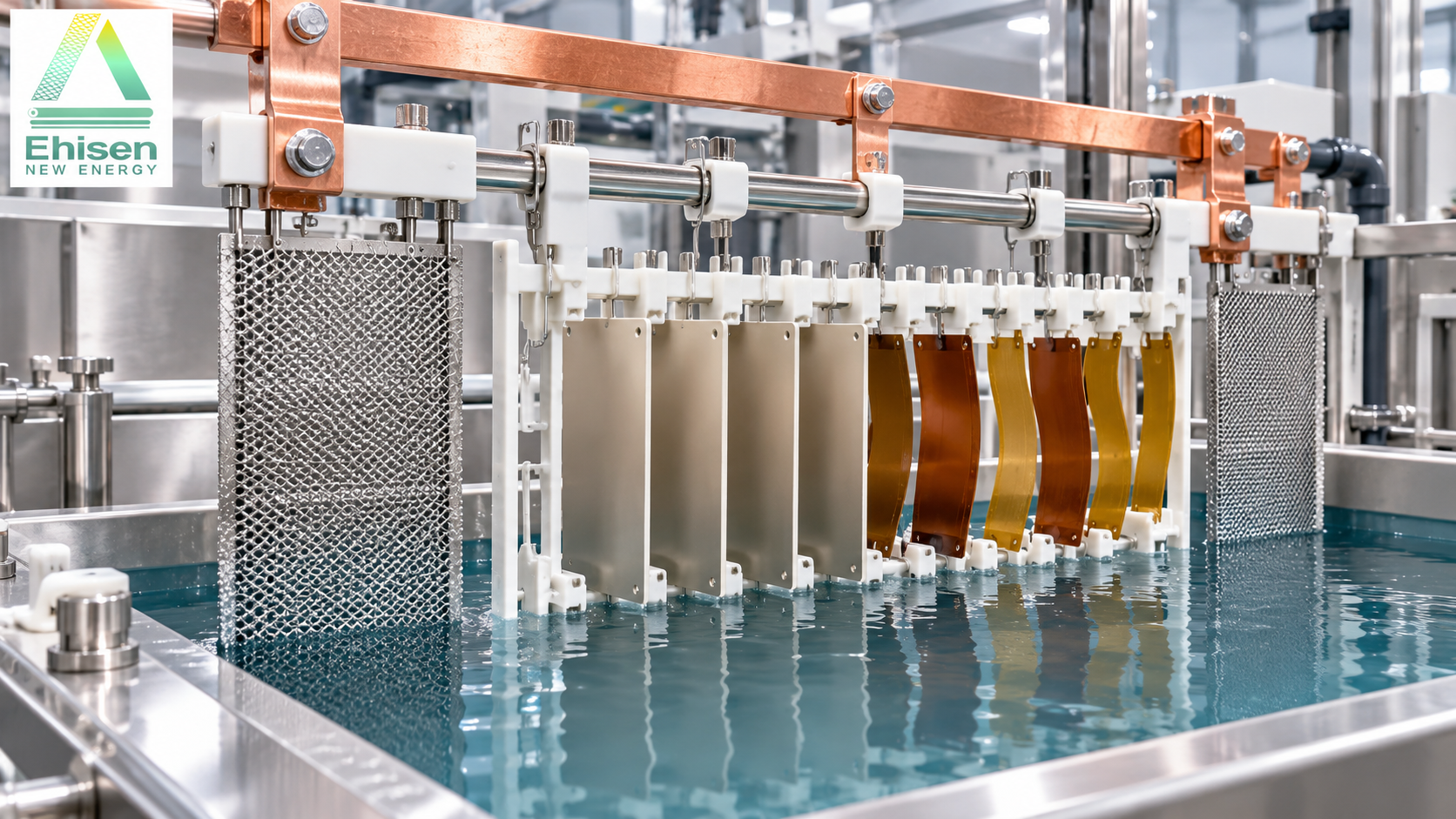
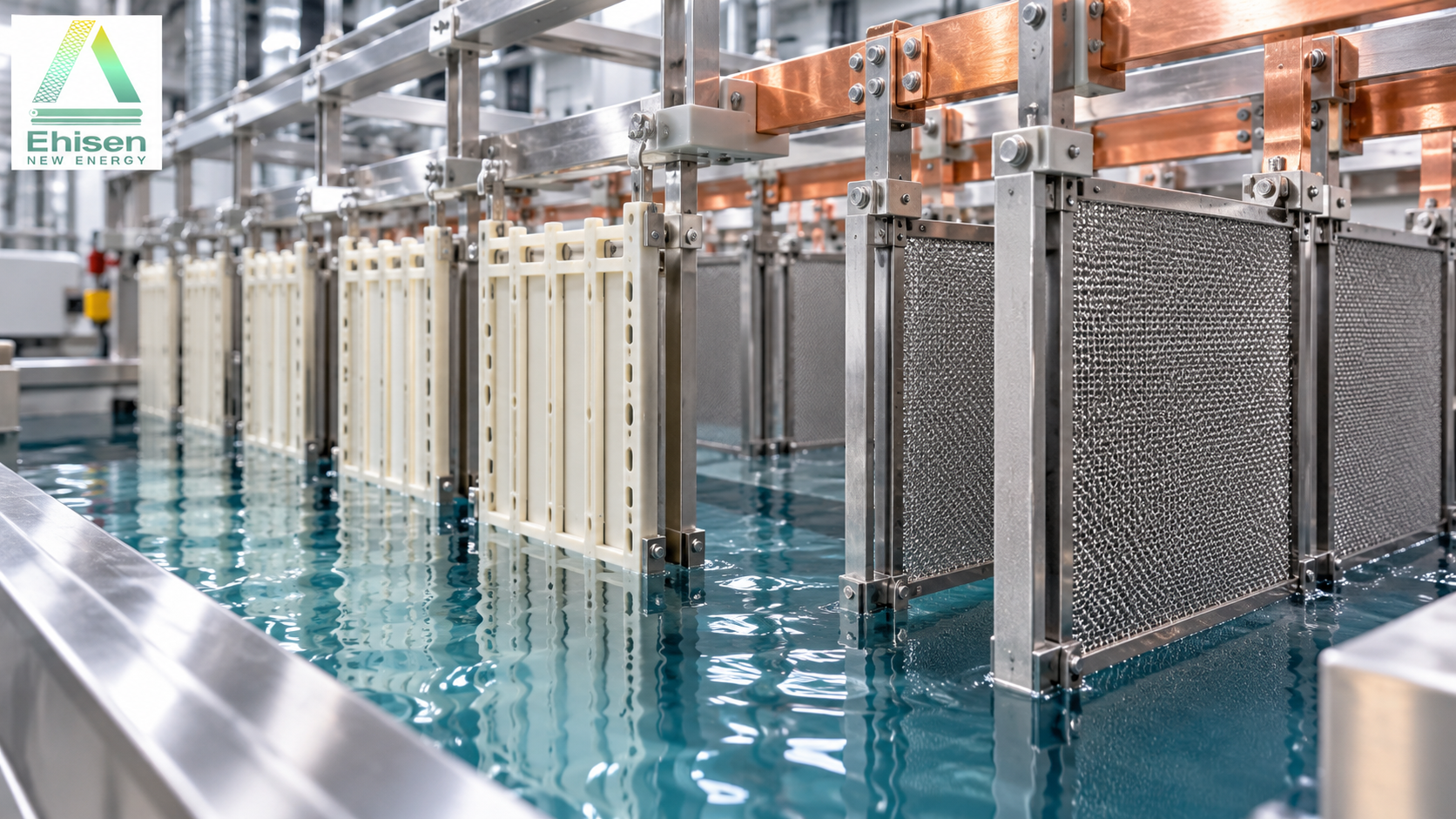
Submit your PCB plating bath data, line layout, panel dimensions, and anode drawing.
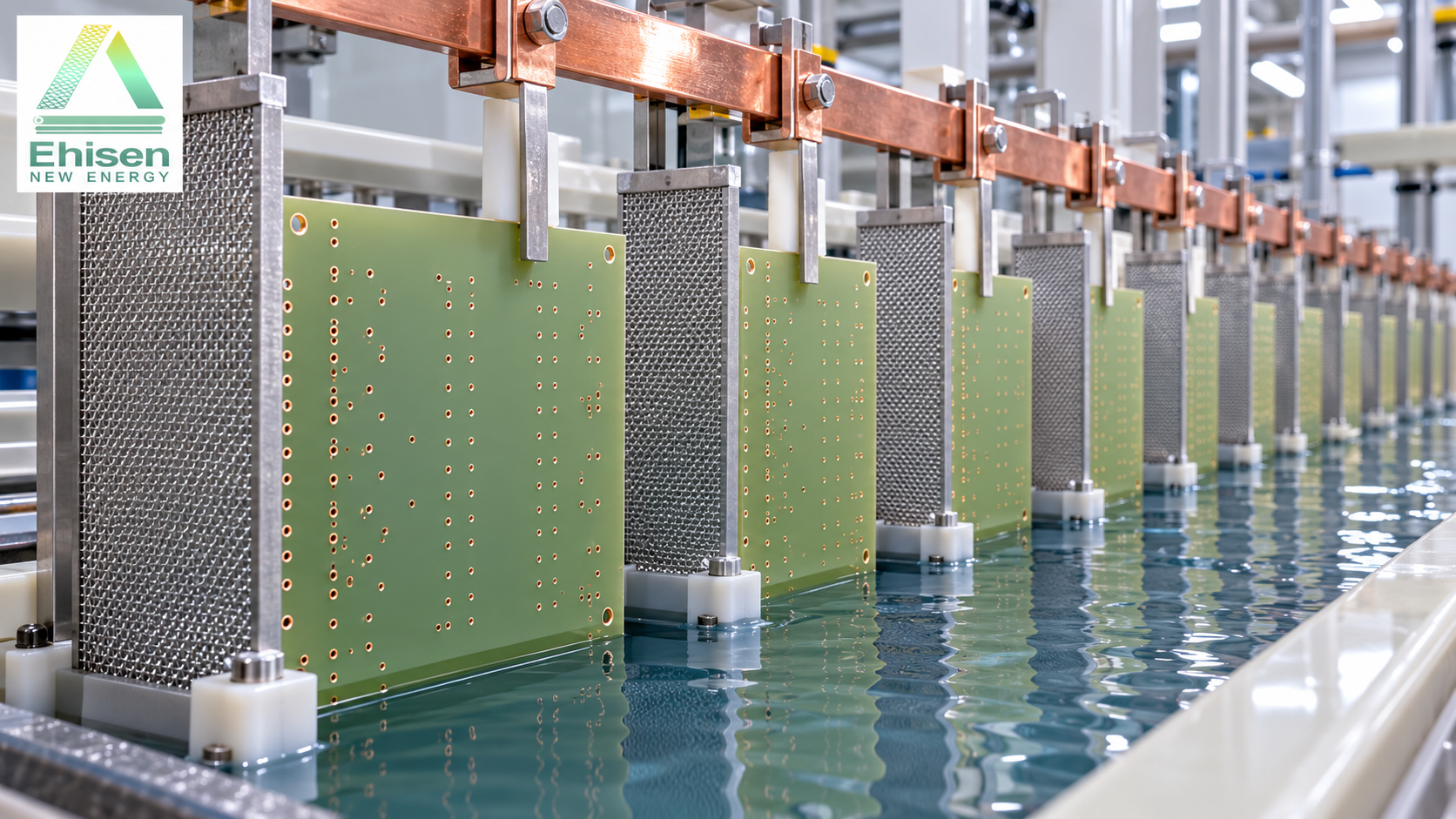
Send us a message if you have any questions or request a quote. We will be back to you ASAP!