
CHEMICAL ELECTROLYSIS SOLUTIONS
Titanium Anodes for Chemical Industry
Custom MMO coated titanium anodes for chlor-alkali, brine electrolysis, sodium hypochlorite generation and electrochemical oxidation systems.
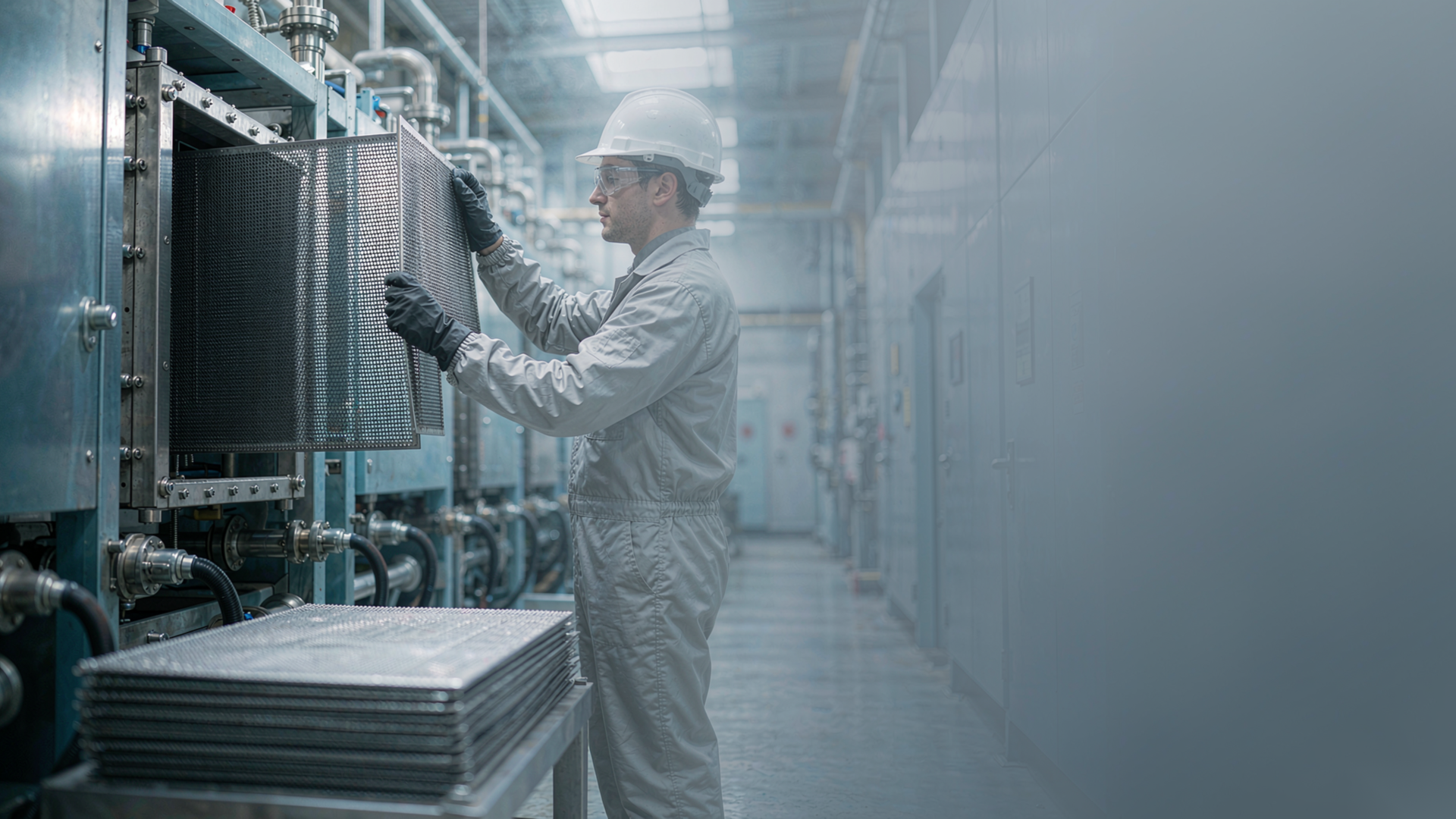
ENGINEERED FOR HARSH MEDIA
Stable electrodes for chemical processes that cannot stop.
Chemical electrolysis systems work with corrosive electrolytes, direct current and continuous production schedules. The right anode design supports current distribution, cell voltage control, maintenance planning and process stability.
Custom Geometry
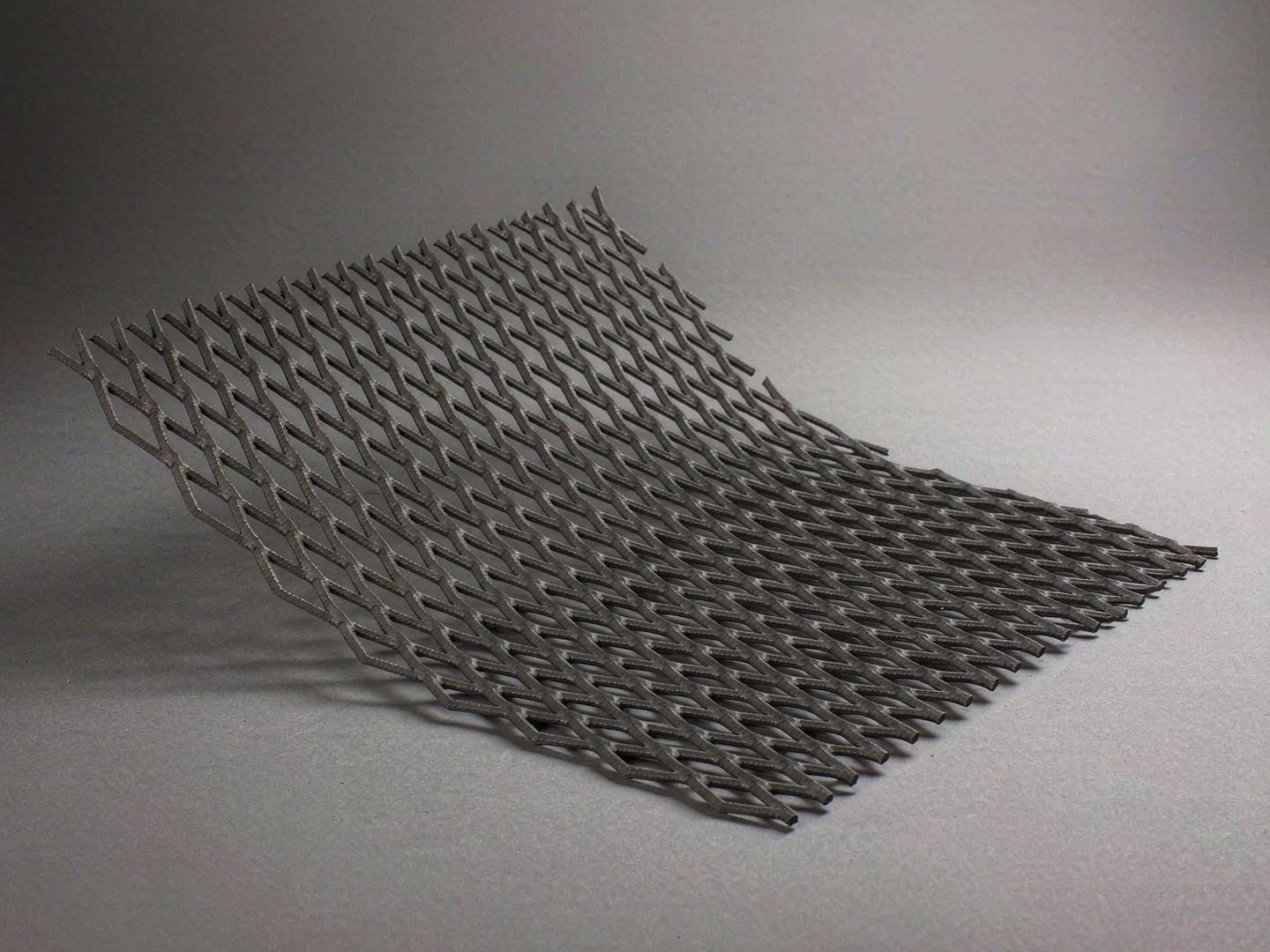
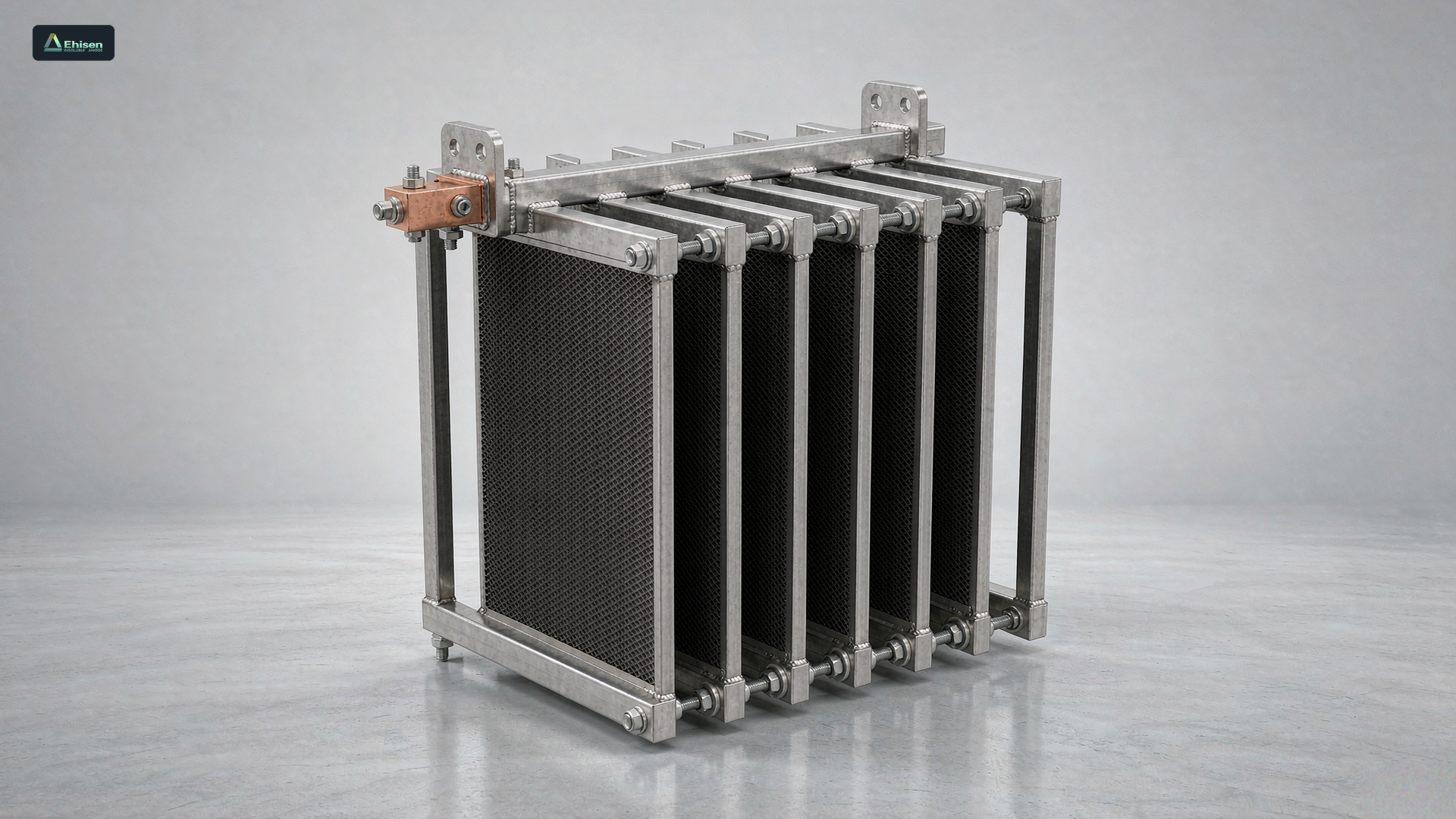
Mesh, plate, tube, rod and multi-plate assemblies for your cell.
Coating Selection
MMO coating options for chlorine evolution or oxygen evolution conditions.
Project Documents
Dimensions, inspection records and packing details for export projects.
FROM PROCESS DATA TO FINISHED ANODE
A practical manufacturing route for chemical electrolysis.
We use the application conditions to guide the substrate, active area, coating and connection design from the first drawing review.
PROJECT DELIVERY SEQUENCE
01 / Cell & Anode Design
Review dimensions, current path, active area and installation details.
02 / MMO Coating System
Match coating chemistry and loading to electrolyte and reaction target.
03 / Inspection & Packing
Confirm dimensions, product identification and protective packing before shipment.
KEY MANUFACTURING STEPS
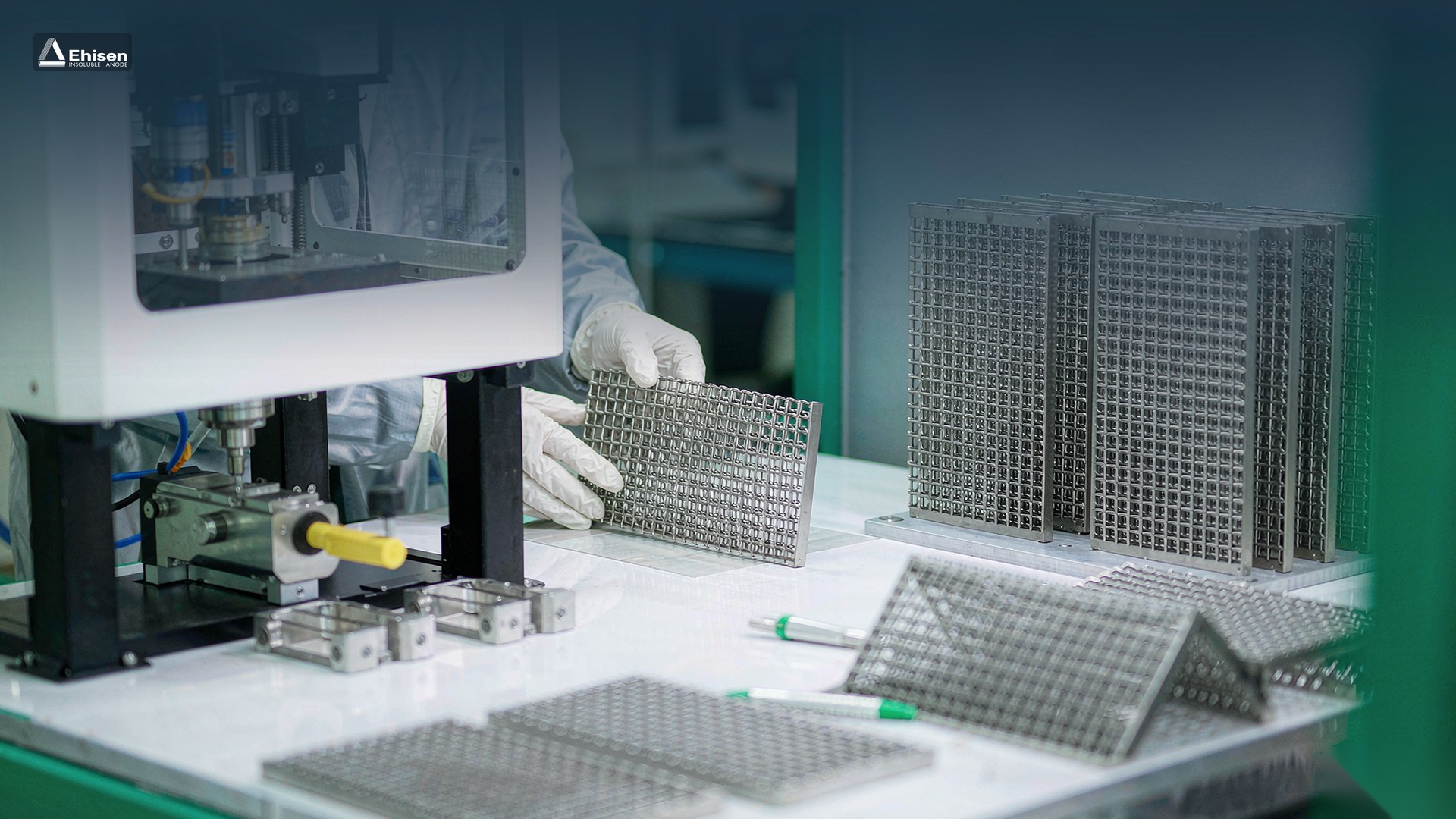
Titanium Substrate Processing
Titanium substrate processing for custom chemical anodes.
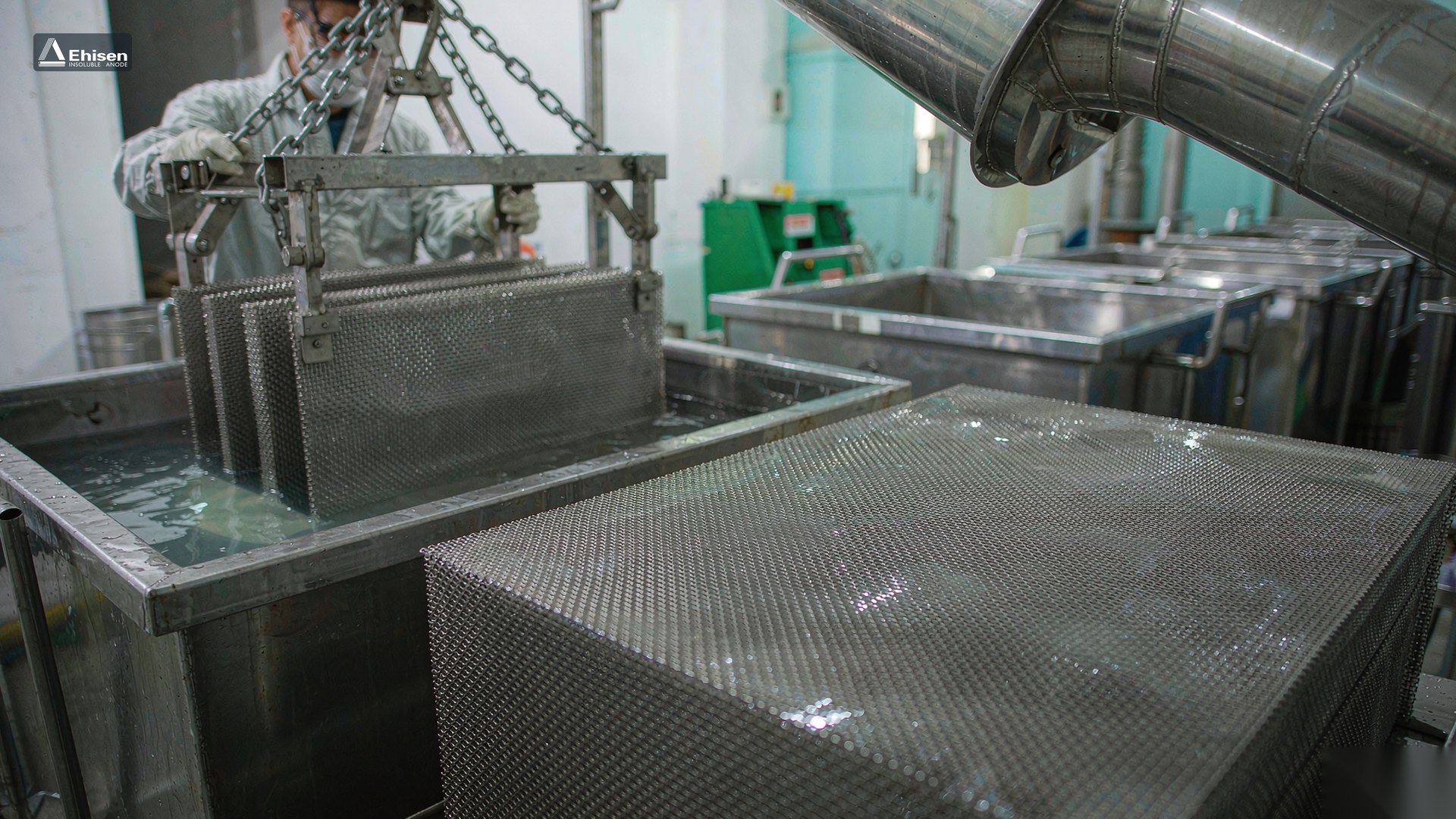
Acid Treatment & Surface Activation
Controlled surface activation before MMO titanium anode coating.
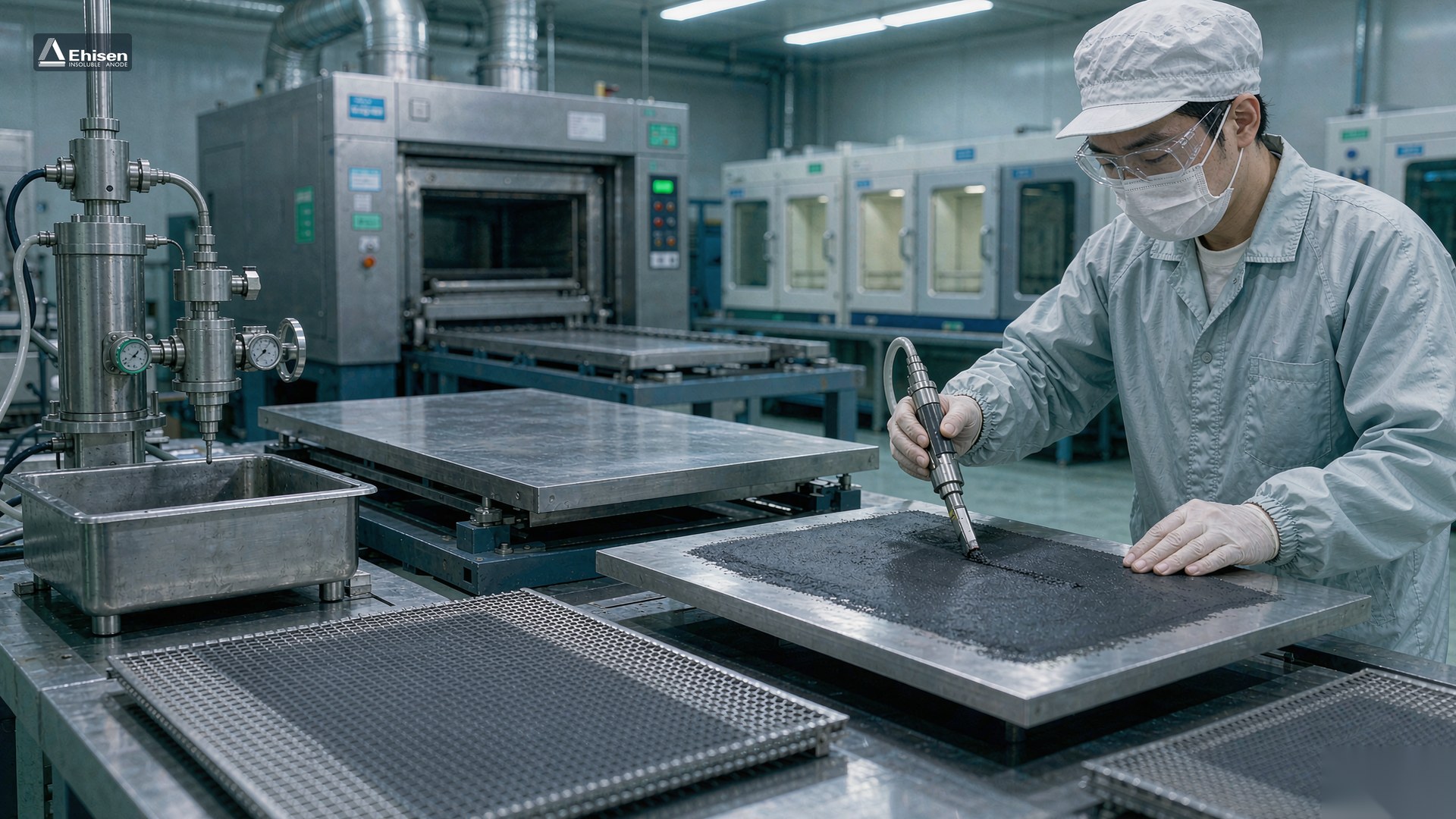
MMO Coating & Thermal Sintering
Multi-layer MMO coating and thermal sintering for chemical titanium anodes.
CHEMICAL APPLICATIONS
Built around the anodic reaction your system needs.
Similar-looking titanium anodes can perform differently in a chemical cell. The electrode structure and coating should match the working medium and reaction target.
Chlor-Alkali & Brine Electrolysis
Titanium anodes for chlorine-evolution conditions in chlor-alkali cells and brine electrolysis equipment.
Electrochemical Oxidation
Custom electrodes for chemical wastewater treatment and oxidation processes.
Sodium Hypochlorite Generation
Coated titanium electrodes for hypochlorite generation and electrochlorination equipment.
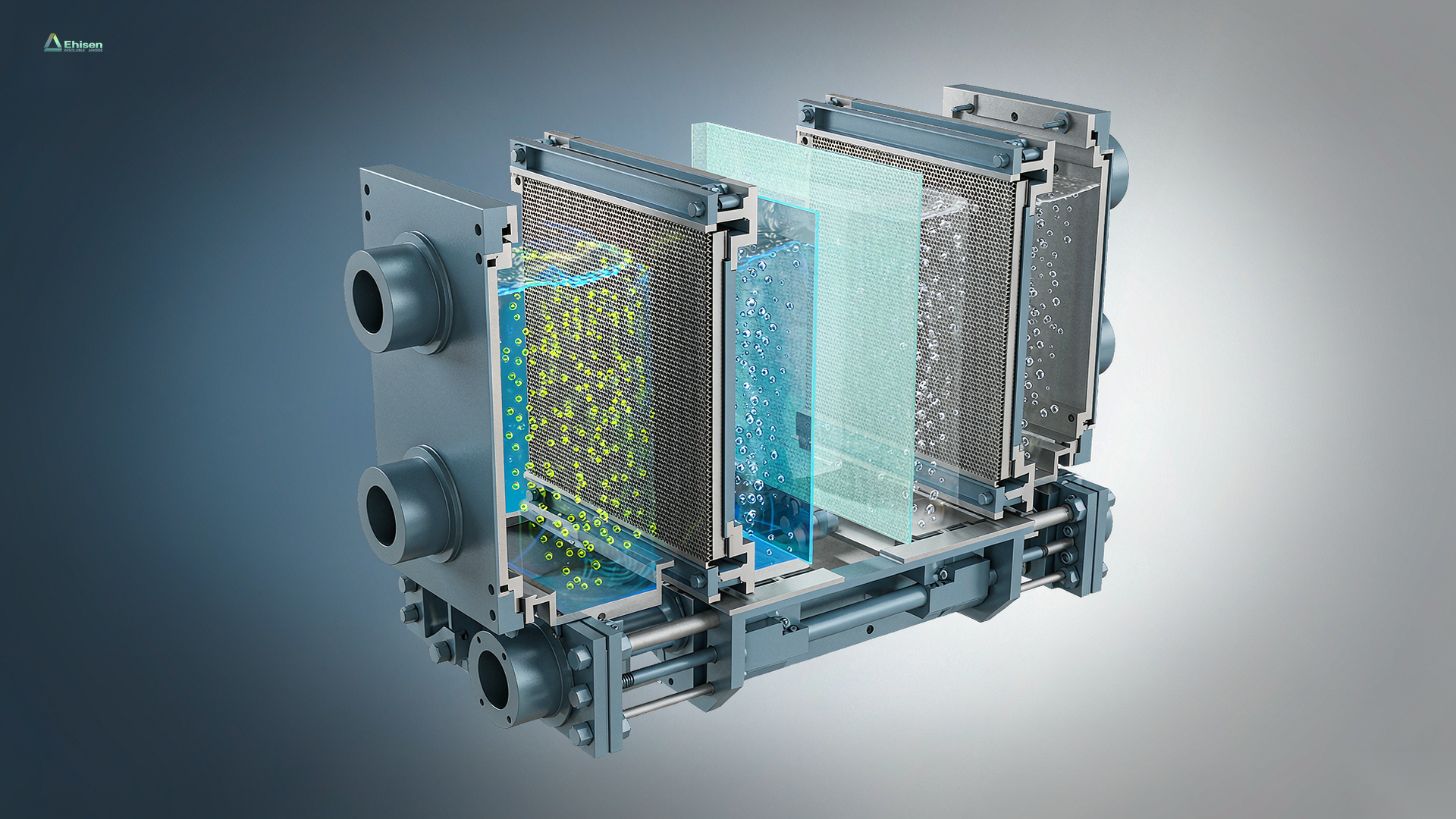
CHEMICAL WASTEWATER TREATMENT
Electrodes for controlled electrochemical oxidation.
For chemical wastewater treatment systems, anode selection starts with the real electrolyte, chloride level, temperature and target treatment result. Ehisen supports electrode structures for practical oxidation and disinfection equipment.
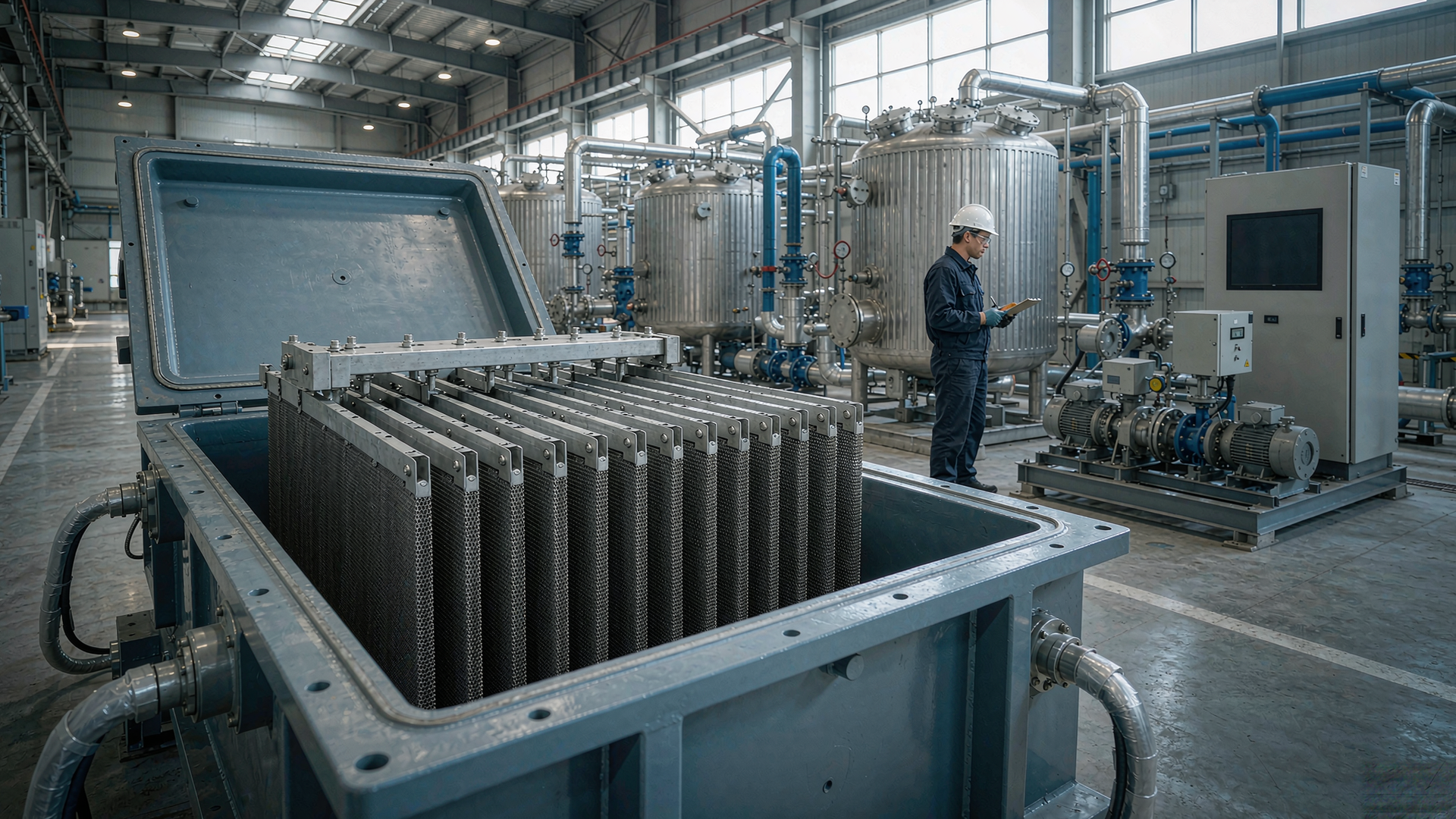
SEND THE DATA THAT MATTERS
How to select the right chemical titanium anode.
A useful quotation starts with the process data. Our engineering team can review your application and recommend a suitable production approach.
Please share:
- Application and target reaction
- Electrolyte composition, pH and temperature
- Current density and operating voltage
- Drawing, dimensions or sample photo
- Quantity and document requirements
SUPPLY PATHS
Four ways to source chemical titanium anodes.
Most chemical anode projects begin with one of four situations: a new cell design, an anode that has reached end of life, an existing titanium substrate that may be reusable, or a drawing from your own engineering team. Each path has a different review basis, so we confirm the route before quoting.
01
New Anode Build
For new cells and process upgrades
We start from the electrolyte, current density and cell drawing, then define substrate grade, coating system, active area and connection details before production begins.
02
Replacement Assemblies
For anodes at end of life
Send the original drawing, a used anode or measured dimensions from the cell. We match installation geometry, connection type and active area so the replacement fits without changing the cell design.
03
Recoating Review
For reusable titanium substrates
We inspect wall thickness, deformation, remaining coating and connection integrity first. Recoating is confirmed only after the substrate passes review, and the basis is stated in the quotation.
04
Build to Drawing
For OEM and custom designs
Provide the drawing or a sample. We handle substrate machining, coating, assembly, marking and export packing against your specification and document requirements.
Ehisen supplies electrodes and anode assemblies. Cell design, process licensing and on-site installation remain with the plant or its engineering contractor.
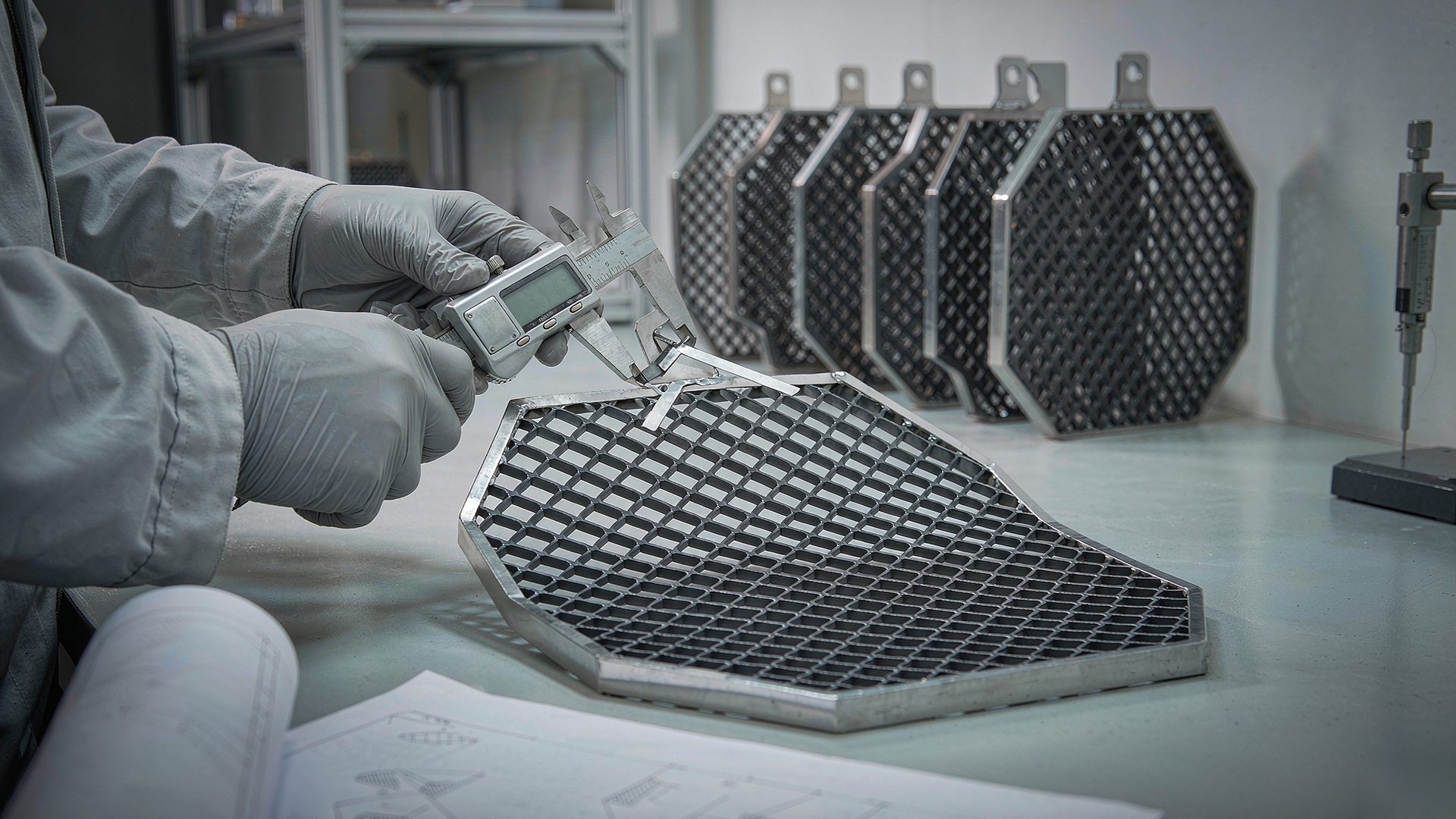
QUALITY INSPECTION & EXPORT PACKING
Clear checks before your anodes leave the factory.
Dimensions, active area, electrical connection, coating appearance and protective packing are confirmed before shipment. This gives project teams a clearer basis for installation and incoming inspection.
RELATED TITANIUM ANODE RESOURCES
Explore MMO Titanium Anodes and Coating Options.
FAQs About Titanium Anodes for Chemical Industry
How do I choose a titanium anode for my chemical process?
Start with the target reaction and operating conditions. Share the electrolyte composition, pH, temperature, current density and cell drawing. Coating selection and electrode design should be reviewed together; the coating name alone is not enough to confirm suitability.
Can I use the same anode for different chemical applications?
Do not assume that an anode selected for one process will suit another. For chlor-alkali, brine electrolysis or electrochemical oxidation projects, send the actual process details for a separate review before ordering.
What information is needed for a quotation?
Please send a drawing or sample dimensions, electrode shape, active area, electrical connection details, electrolyte composition, operating temperature, current density, required quantity and delivery location. Include any inspection or documentation requirements.
Can Ehisen make custom titanium anode shapes and assemblies?
Ehisen offers mesh, plate, tube, rod and multi-plate anode designs. Send your drawing or sample photos so we can review dimensions, installation space and electrical connections. Final specifications are confirmed before production.
How long will a coated titanium anode last?
There is no single service-life figure for every chemical process. A useful estimate needs the coating specification, electrolyte, temperature, current density, operating schedule and maintenance conditions. Agree on the expected operating conditions and acceptance criteria before comparing supplier claims.
Which quality checks and documents should I request?
Ask for the checks relevant to your project, such as dimensions, active area, connection details, coating appearance and batch identification. Discuss coating measurements or performance testing before ordering. The agreed quotation and inspection plan should state which reports are included.
Can accelerated life testing predict service life in my plant?
Treat accelerated test results as supporting evidence, rather than a direct guarantee of years in service. When comparing results, ask for the electrolyte, temperature, current density, sample geometry and failure criterion. Review how these test conditions relate to your actual process.
What should I provide for a chemical wastewater treatment project?
Share the wastewater composition, pH, conductivity, chloride level, temperature, flow rate and treatment target. Include available laboratory or pilot-test results. A drawing alone cannot establish treatment performance; discuss whether sample testing is needed before selecting the electrode.
Can you supply a replacement anode without changing the cell design?
Yes, when the existing geometry can be measured or drawn. Send the original drawing, a used anode or measured dimensions, together with connection details and active area. We reproduce the installation interface and confirm the specification against the cell before production.
Can a used titanium anode be recoated?
It depends on the substrate condition. We review wall thickness, deformation, remaining coating and connection integrity before answering. If the substrate is not serviceable, a new build is the more reliable route, and we will say so rather than recoating a base that is likely to fail early.
CUSTOM TITANIUM ANODE MANUFACTURER
Need a titanium anode for a chemical electrolysis project?
Send your drawing and operating data. We will help define a suitable titanium substrate, MMO coating and electrode structure.