
Sodium Hypochlorite Generators with Ru-Ir MMO Titanium Electrodes
Electrolytic sodium hypochlorite generator systems that produce chlorine disinfectant on site from salt brine or seawater — powered by ruthenium-iridium MMO coated titanium electrodes rated for chlorine evolution. From pool chlorinators to municipal water disinfection, the system removes chlorine gas transport and bleach strength decay, with electrode life verified by accelerated testing and confirmed per order.
Request a Quote Talk to an Engineer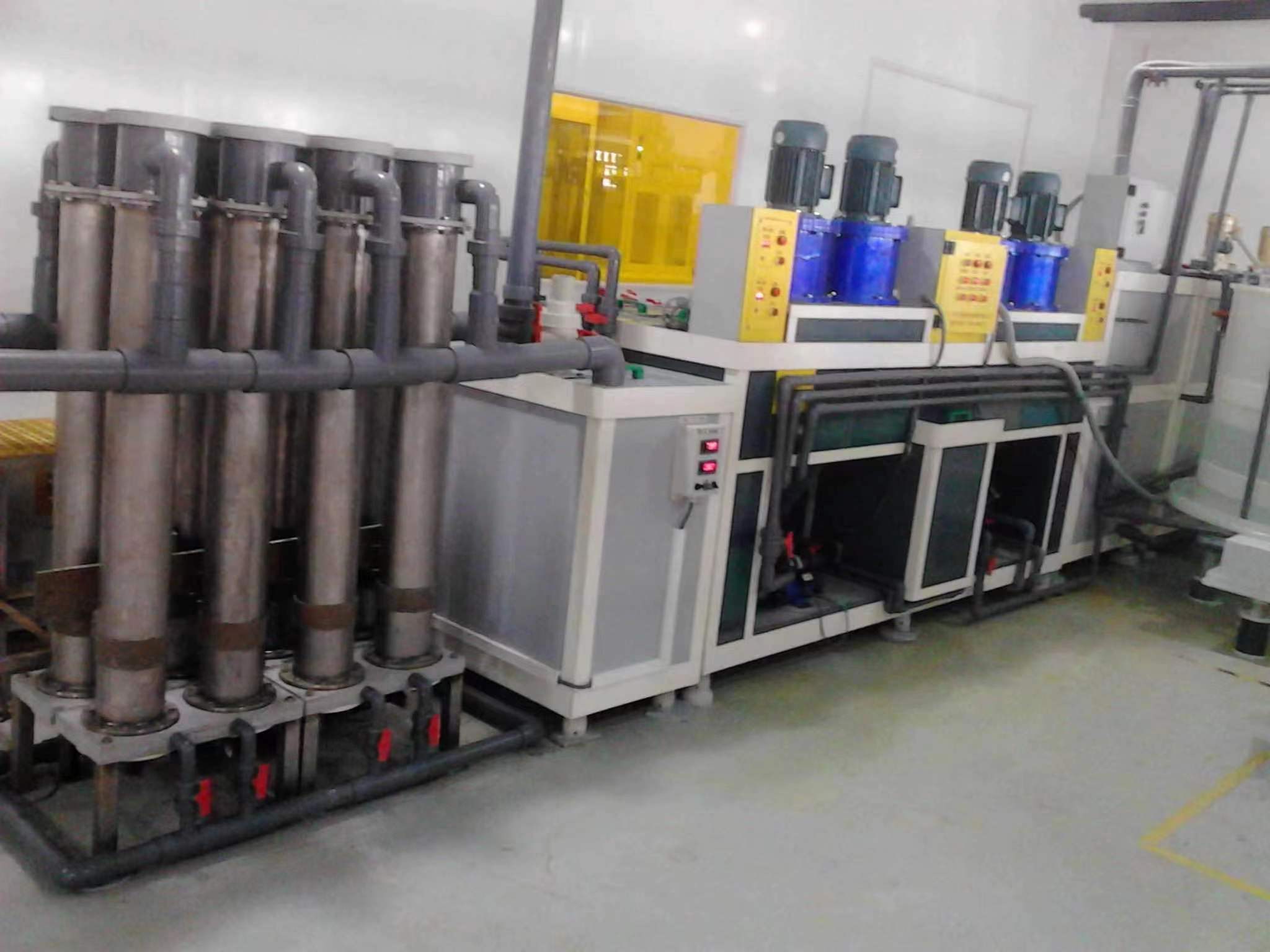
Sodium Hypochlorite Is Generated On Site, Not Shipped
On-site chlorination runs dilute brine (or seawater) through an electrolytic cell where Ru-Ir MMO coated titanium electrodes convert dissolved chloride into sodium hypochlorite. Unlike bulk chemical delivery, the system produces only the disinfectant you use — at a stable 3–4.5 g/L equivalent strength — so there is no chlorine gas transport, no pressurised containers and no hypochlorite stock that degrades on the shelf.
The electrode is the working heart of the cell. A ruthenium-iridium mixed metal oxide coating is selected for chlorine evolution: it holds a stable potential in the chloride electrolyte, tolerates the oxidising environment, and is sized so current density stays within the coating rating. Ehisen builds the coated electrodes to your cell geometry — mesh, plate or tubular — and verifies coating loading and accelerated life before shipment.
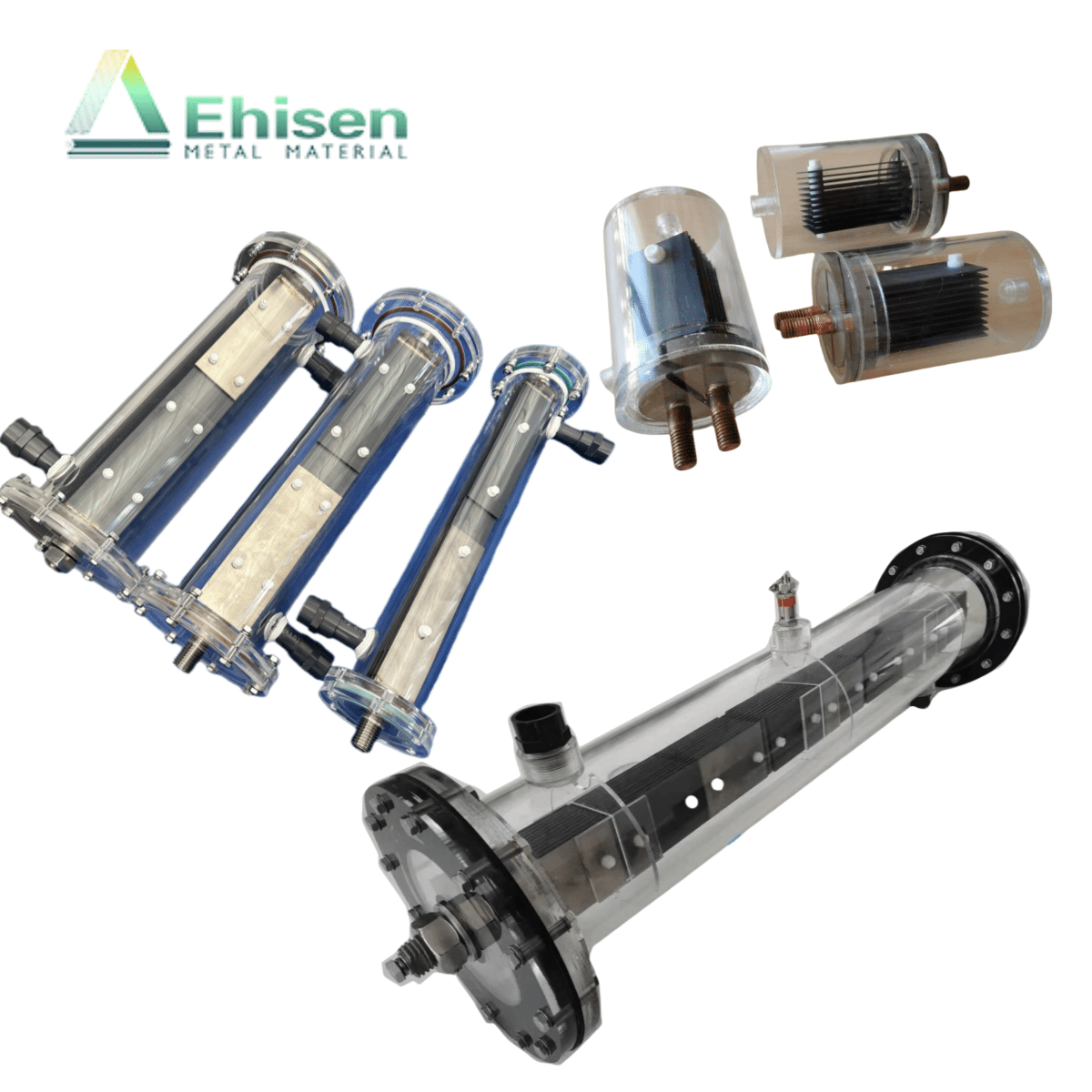
Ehisen Hypochlorite Generation Electrode & System Range
Four core configurations — from replacement electrodes to complete generator systems — each rated to the chloride duty with traceable material and coating documentation.

Ru-Ir MMO Electrode for Hypochlorite Cells
Ruthenium-iridium coated titanium mesh, plate or tube designed for the chloride electrolyte of a sodium hypochlorite cell — stable potential and long coating life in chlorine-evolution duty.
| Substrate | Gr1 / Gr2 Ti |
| Coating | RuO₂-IrO₂ |
| Current density | Confirmed per order |
| Design life | Confirmed per order |

Pool Chlorinator Electrode
Drop-in Ru-Ir MMO electrodes for salt water pool chlorinators — produce free chlorine from dissolved salt with no chemical handling and predictable replacement scheduling.
| Substrate | Gr1 / Gr2 Ti |
| Coating | RuO₂-IrO₂ |
| Cell voltage | Confirmed per order |
| Design life | Confirmed per order |
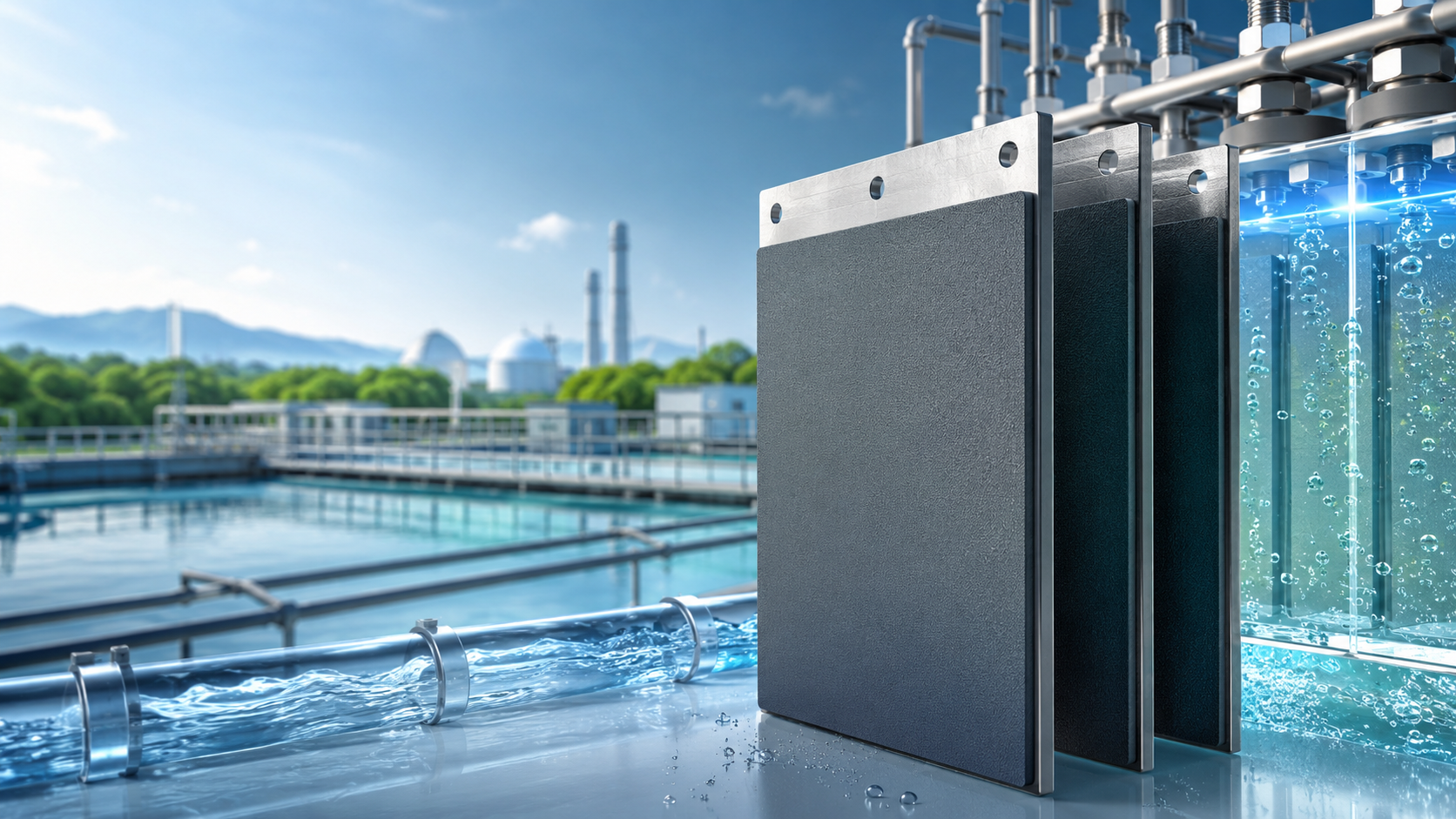
Salt Water Pool Chlorination Electrode
Electrode sets for salt water pool systems where the cell runs on low-concentration brine — coating and geometry sized to hold output stable across the swimming season.
| Format | Tube / plate / mesh |
| Coating | RuO₂-IrO₂ |
| Current density | Confirmed per order |
| Design life | Confirmed per order |

Sodium Hypochlorite Generator System
Skid-mounted generation units — brine tank, electrolytic cell, rectifier and control — built around Ehisen Ru-Ir MMO electrodes, referenced to the national standard for sodium hypochlorite generators.
| Output | Per model (table below) |
| Cell | Ru-Ir MMO plate cells |
| Current density | Confirmed per order |
| Design life | Confirmed per order |
Electrode Formats & Generator Output Data
Factory reference tables for standard electrode formats and generator models. Other sizes, coatings and precious-metal loadings are produced to drawing and confirmed per order.
| Ru-Ir MMO Electrode Format | Form | Coating Loading (g/m²) | Current Density | Application |
|---|---|---|---|---|
| Plate / tube for hypochlorite cell | Plate · tube | 8–15 | Confirmed per order | Generator cells · water treatment |
| Mesh electrode | Expanded mesh | 8–15 | Confirmed per order | Cooling water · seawater cells |
| Pool chlorinator electrode | Tube / plate | 8–15 | Confirmed per order | Salt water pools |
| Generator System Model | Chlorine Output (g/h) | Cell Type | Electrolyte | Application |
|---|---|---|---|---|
| On-site hypochlorite system — small | 50–500 | Ru-Ir MMO plate | 3–4.5 g/L NaOCl | Pools · small water systems |
| On-site hypochlorite system — medium | 500–2,000 | Ru-Ir MMO plate | 3–4.5 g/L NaOCl | Municipal · industrial water |
| On-site hypochlorite system — large | 2,000–10,000+ | Ru-Ir MMO plate banks | 3–4.5 g/L NaOCl | Utility · seawater duty |
Documented Quality for Hypochlorite Electrodes
Every electrode and system ships with traceable material, coating and testing records — so operators can trust output, lifetime and the audit trail.
Quality Management
Production runs under a certified quality management system with full batch traceability from titanium substrate to final test.
Material Certificates
Titanium substrate to ASTM B265 Gr1 / Gr2 with chemical and mechanical traceability.
Coating Verification
Coating thickness and ruthenium / iridium loading verified per batch — the parameters that control electrode life and output stability.
Accelerated Life Test
Performance verified per NACE TM0108-2008 at elevated current density in chloride electrolyte under rated conditions.
Independent Testing
Third-party reports available on request for coating thickness, adhesion and precious-metal loading.
Project Documentation
Certificate of conformity, packing list and inspection records prepared for project handover and audits.
ALT Conditions per NACE TM0108-2008
Lifetime is verified by accelerated life testing — not field wait. We test at elevated current density in the chloride media your cell actually runs, then convert the data to your operating rating.
| Coating System | Medium | Current Density (A/m²) | Temperature (°C) |
|---|---|---|---|
| Ru-Ir MMO | NaCl brine / seawater | 20,000 | 25 ± 5 |
| Ru-Ir MMO | Softened brine (hardness controlled) | 20,000 | 40 ± 5 |
Coating Control & Surface Quality
Coating loading and uniformity are measured, not assumed — the parameters that actually control electrode life and chlorine output.
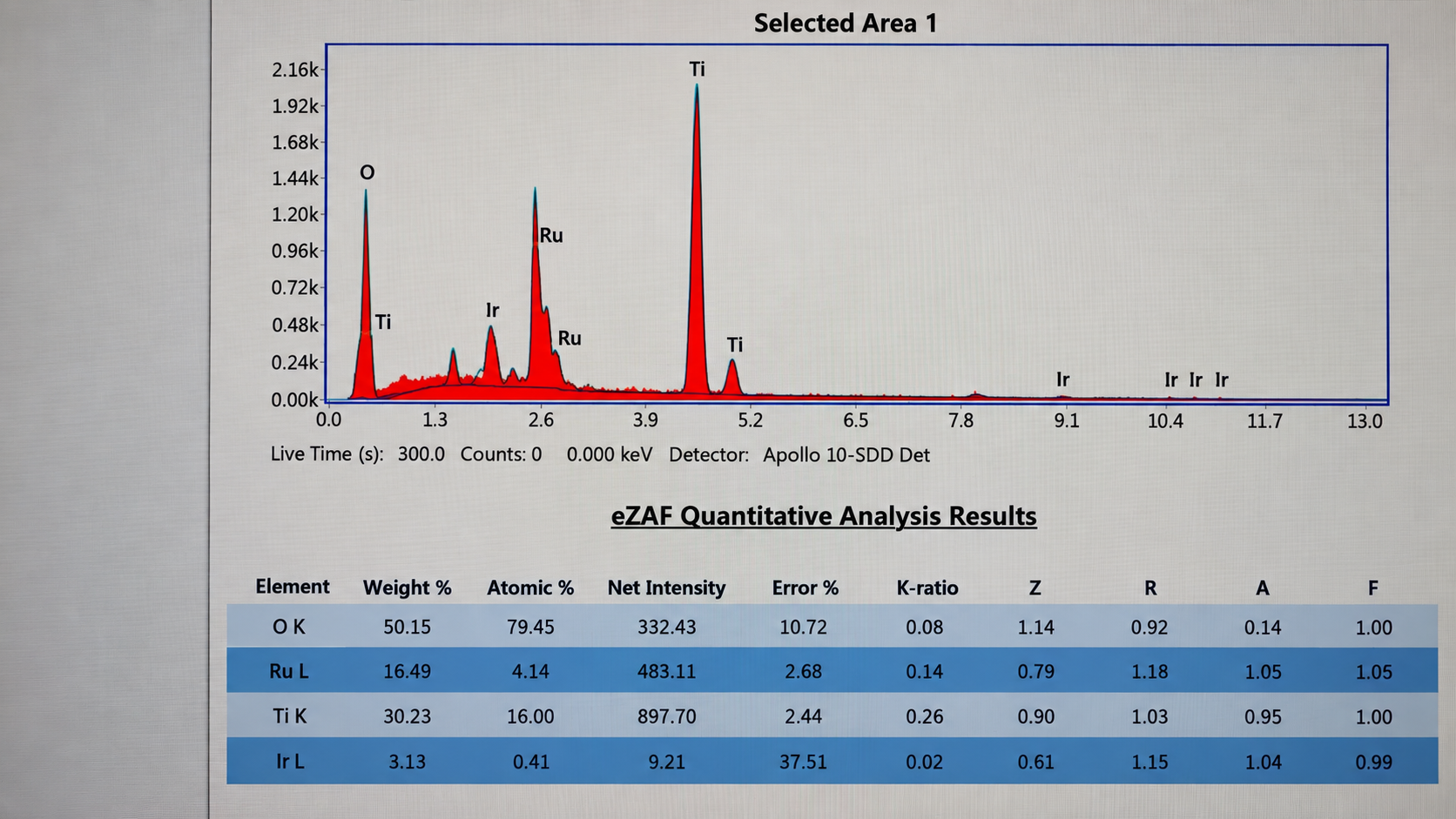
Coating Loading & Uniformity
Active coating loading is measured and controlled per batch — the value that sets current-density rating and design life.
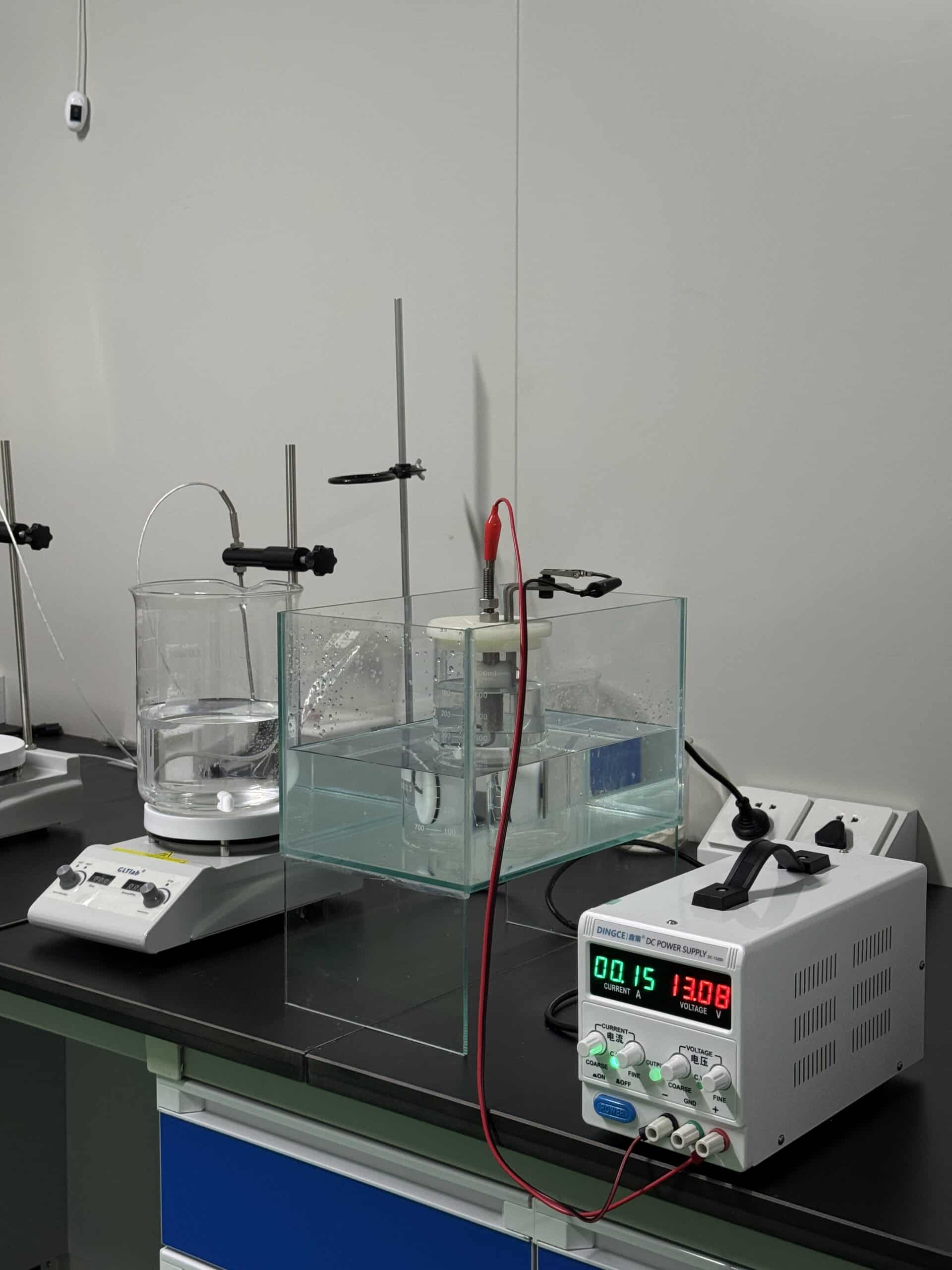
Bonding & Thermal Cycling
Adhesion and thermal cycling are checked during production to keep the coating stable under thermal and electrochemical load.
Specs That Keep Chlorine Output Stable
Rated Current Density
Sustains efficient chlorine evolution without accelerated coating wear or voltage drift — rating confirmed per order against feed water.
Electrolyte Strength
On-site output in the standard hypochlorite strength band used for dosing — no concentrated chemical handling.
Coating Loading Tolerance
Controlled precious-metal loading per batch keeps overpotential, efficiency and lifetime consistent across the whole cell bank.
Ru-Ir Loading
Ru-Ir loading verified per batch — the loading level that controls electrode life in chlorine-evolution duty.