Home  /  Applications  /  Electroplating Industry Application · Electroplating

Plating Anodes Engineered for Clean, Consistent Coating

Ir-Ta and platinized titanium anodes for PCB copper plating, hard chrome, nickel, zinc and decorative precious-metal plating. Dimensionally stable, contaminant-free and documented — so your bath chemistry, coating thickness and reject rate stay under control line after line.

Request a Quote Talk to an Engineer
PCB Copper PlatingHard Chrome & NickelZinc & GalvanizingPrecious Metal Plating
2–6 kA/m²Rated Current Density
Pb-FreeNo Bath Contamination
100%XRF & QC Tested
24hEngineering Response
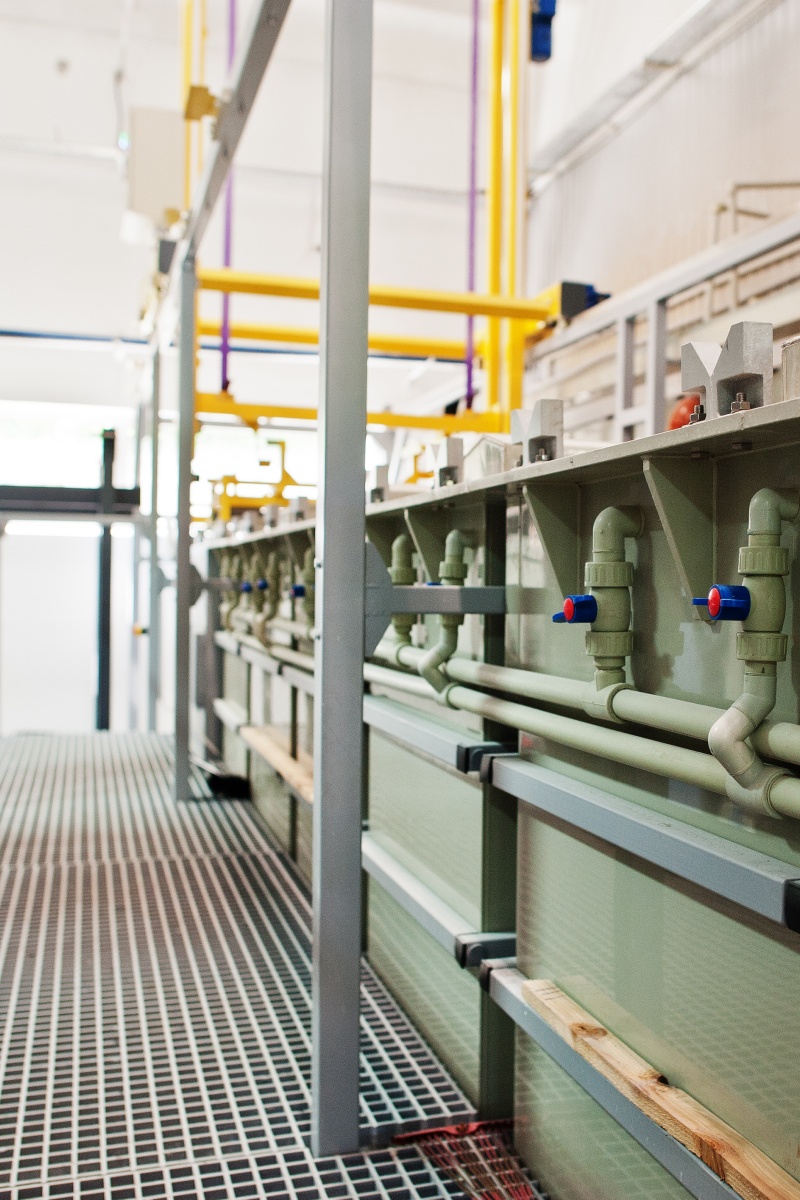
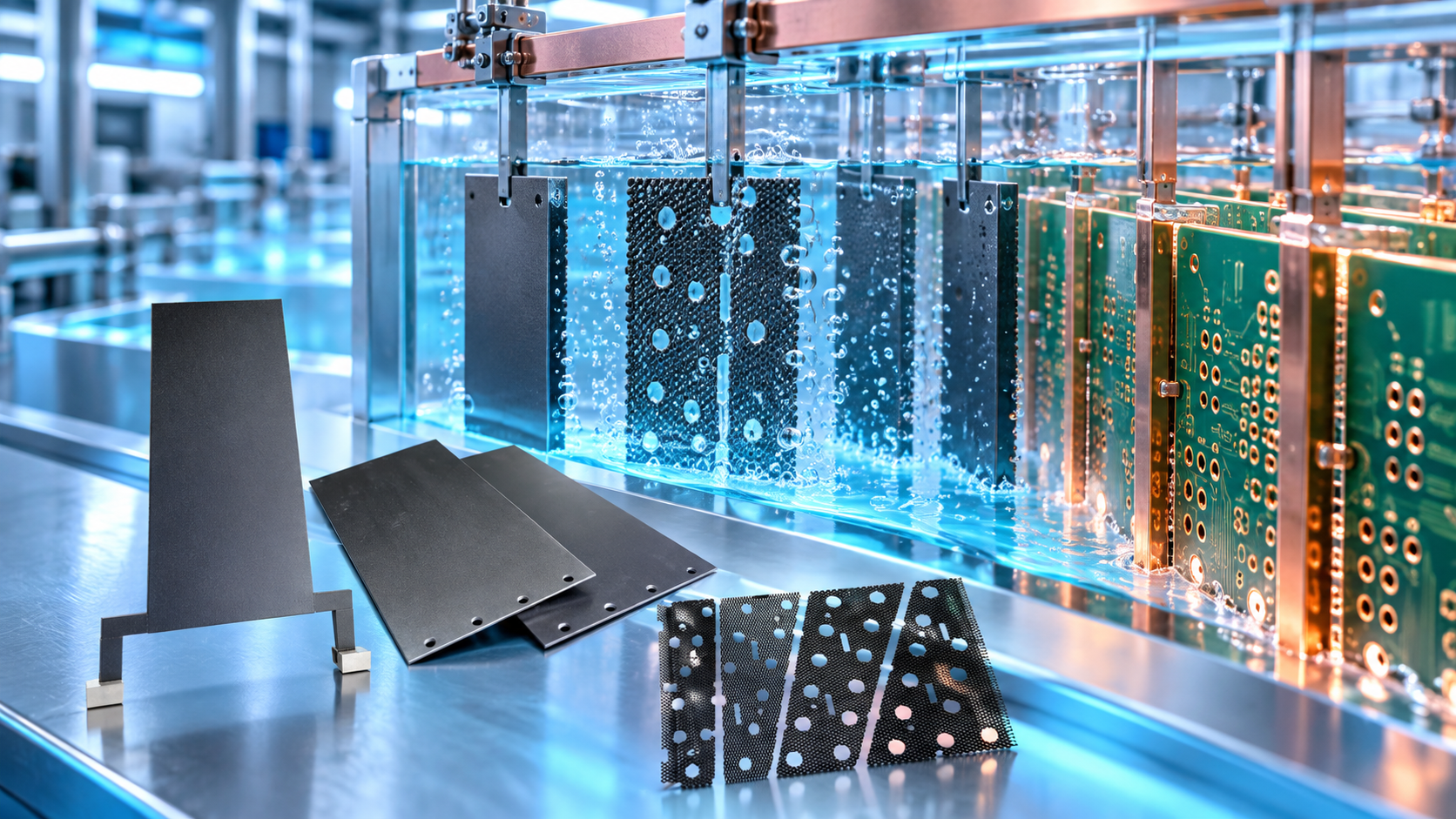
Titanium DSA anodes installed in a high-speed PCB copper electroplating line
The Engineering Reality

The Anode Decides Plating Quality Before the First Micron Is Deposited

Every plating line is an electrochemical cell: the anode balances ions, current distribution and bath chemistry while metal ions deposit on the cathode. Soluble lead or graphite anodes break down over time — dissolving lead, shedding sludge and letting current drift — which shows up as rough deposits, pitting, burnt edges and rejects in copper, chrome, nickel, zinc and precious-metal baths.

Dimensionally stable anodes (DSA) change this. Titanium coated with Ir-Ta or platinum keeps its geometry for years, releases oxygen instead of dissolving, and holds current density uniform across the rack or reel. The result is repeatable coating thickness, a cleaner bath, longer solution life and far less downtime — which is why modern PCB, automotive and decorative plating lines run on them.
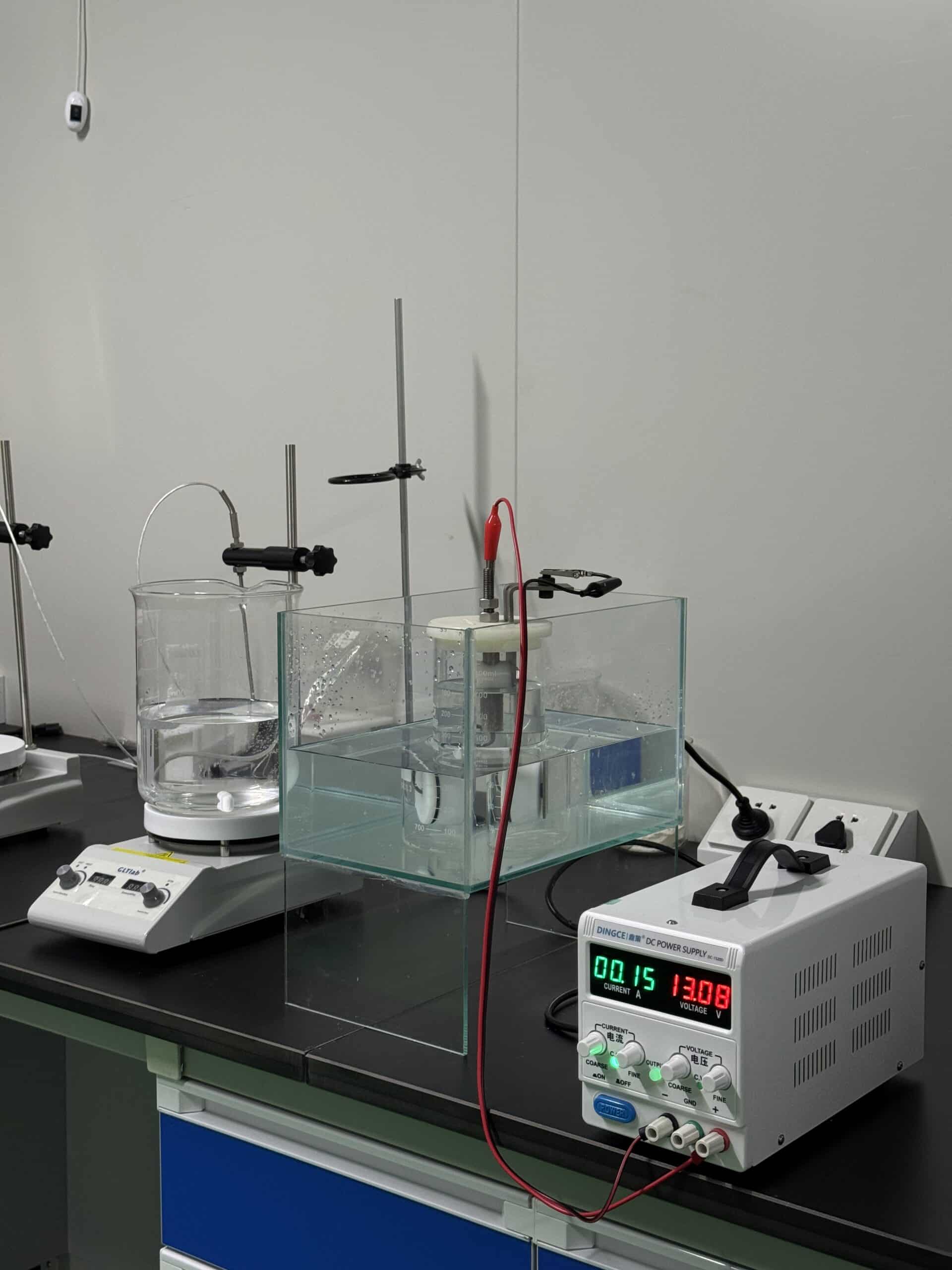
Electrochemical testing of plating anode life and current density in a laboratory electrolytic cell
Engineering boundary: the same anode has no universal rating. Rated output depends on coating family, coating loading, electrolyte and pH, temperature, operating current density and design-life basis. Ehisen rates every anode to your specific bath chemistry — not to a catalogue table.
Key Plating Challenges

Where Plating Lines Lose Quality — and How Ehisen Answers

Every plating bath fails in a different way. Match the challenge below with the anode solution Ehisen supplies for it.

⚡

High-Current-Density Plating

PCB copper, reel-to-reel and high-speed lines burn edges and leave uneven thickness when the anode cannot hold uniform current at high density.

Ehisen Supports:Ir-Ta DSA mesh · coil anodes · high-loading coating · custom geometry for tank and rack layout
☬

Lead Contamination & Sludge

Dissolving lead anodes put lead into the deposit and shed sludge that blocks filters, changes bath balance and causes rough, pitted coatings.

Ehisen Supports:Pb-free DSA plate · mesh anodes · platinum-coated titanium · retrofit kits for existing racks
✿

Decorative & Precious-Metal Baths

Gold, silver, rhodium and decorative nickel show every defect — porosity, colour drift and pitting caused by an unstable or contaminating anode.

Ehisen Supports:Platinized titanium mesh · precision Pt loading · dimensionally stable formats · clean-room-grade finish
☂

Aggressive Acid & High-Temperature Baths

Chromic acid, sulphamate and hot alkaline solutions attack anode substrates, shorten anode life and force frequent line stoppages.

Ehisen Supports:Gr1 / Gr2 titanium substrate · corrosion-rated coatings · sealed connections · long-life designs for hot baths
Selection Guide

Choose the Right Plating Anode for Your Bath

Different baths require different anode coatings and formats. Use the guide below to match your plating process with the most suitable Ehisen solution.

ApplicationRecommended SolutionTypical Products
PCB & high-speed copper platingInsoluble DSA mesh / coilIr-Ta MMO mesh · high-loading coil anodes · custom tank geometry
Hard chrome platingLead-free DSA plateIr-Ta MMO plate · platinum-coated titanium · sealed connectors
Nickel plating (Watt’s / sulphamate)Insoluble DSA plate / meshIr-Ta MMO plate · expanded mesh anodes
Zinc & galvanizing linesAcid-resistant DSA meshIr-Ta MMO mesh · plate anodes for acid and alkaline zinc
Precious-metal plating (Au / Ag / Rh)Platinized titaniumPt/Ti mesh · plate anodes · precision Pt loading
Anodizing & electrolytic processesOxygen-evolution MMOIr-Ta plate / mesh · oxygen-evolution coated formats

Need help selecting the exact specification? Our engineers can size the anode, coating and layout for your bath chemistry, tank size and current density. Send your requirements →

Anode Types

Ehisen Electroplating Anode Range

Six core DSA formats for plating lines, each coated and rated to its bath with traceable material and coating documentation.
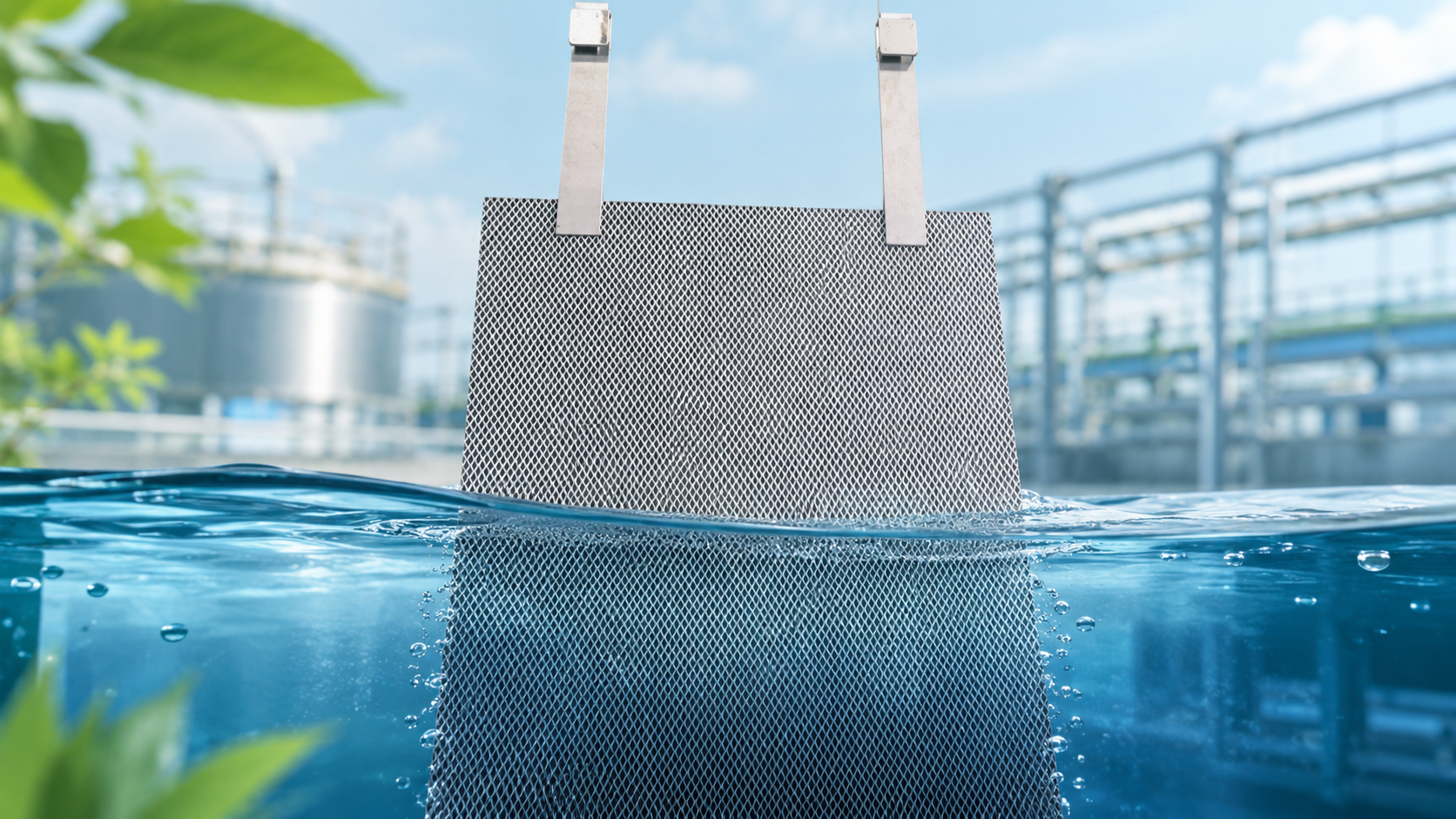
Ir-Ta MMO expanded mesh anode for high-speed PCB copper plating
PCB Copper Plating

Ir-Ta MMO Mesh Anode

Expanded mesh DSA that holds uniform current across the panel for clean, even copper deposits at high current density.

SubstrateGr1 Ti expanded mesh
CoatingIrO₂/Ta₂O₅
Current density2–6 kA/m²
FormatPanel · coil · custom
Design life3–8 years
Dimensionally stable titanium anode coil for high-speed PCB and reel-to-reel plating
High-Speed / Reel-to-Reel

DSA Coil Anode

Coil and cylinder formats for continuous and high-speed lines, engineered for stable output under intense current demand.

CoatingIr-Ta MMO / Pt
Current densityUp to 6 kA/m²
MediaAcid copper · nickel · chrome
Design life3–8 years
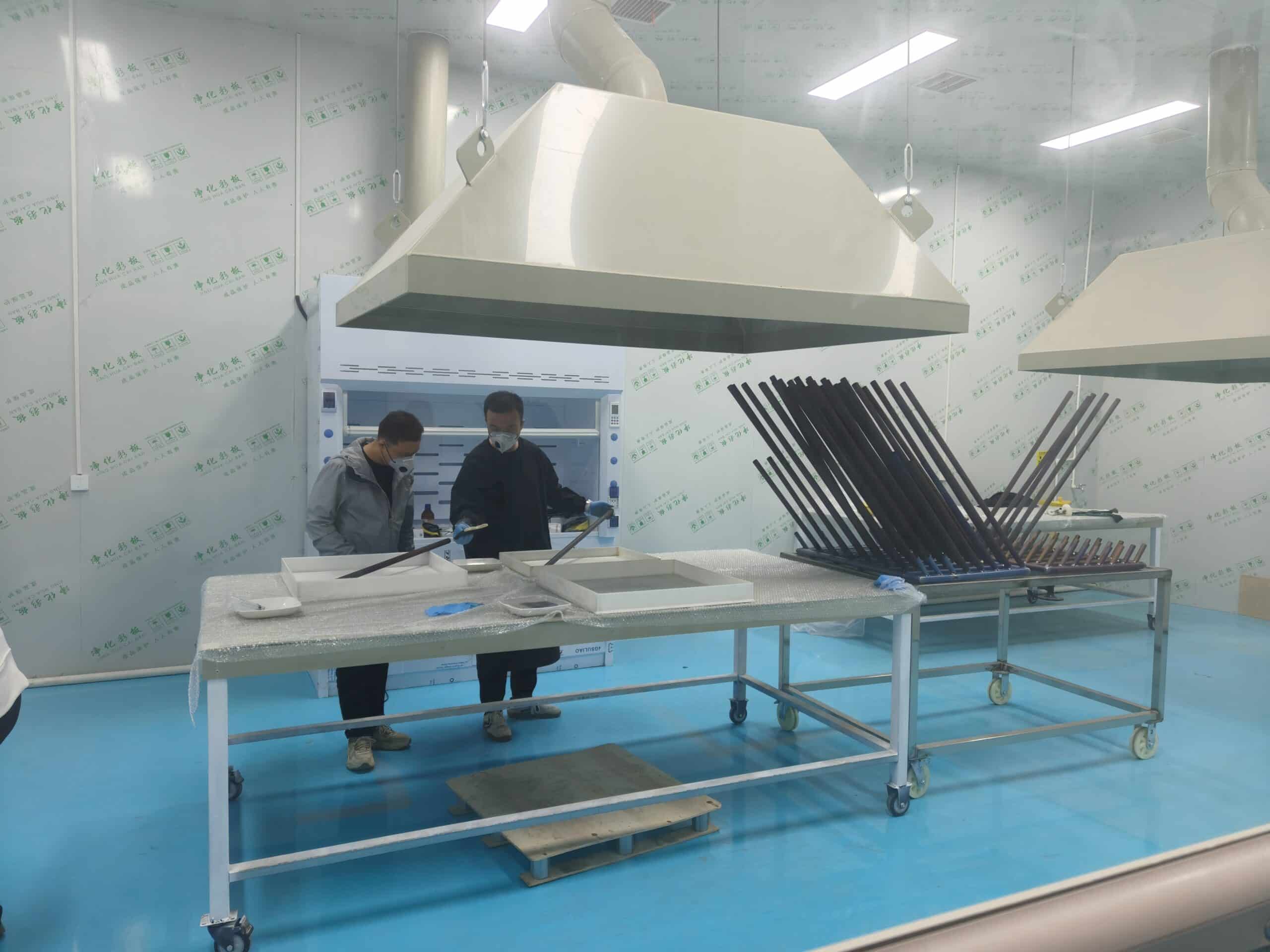
Multi-layer oxide coating being applied to a titanium plating anode
Custom Coating

Multi-Layer MMO Coating

Multi-layer oxide coating applied on our own line with controlled loading, adhesion and sintering cycles for reproducible performance.

Loading15–25 g/m² Ir / Ru
AdhesionPer batch test
ALTNACE TM0108-2008
CustomBy bath chemistry
Titanium DSA anodes installed in an industrial zinc galvanizing bath line
Zinc & Galvanizing

Zinc Plating DSA

Acid- and alkaline-resistant anodes for zinc lines that keep the bath stable and deposits bright without soluble-anode sludge.

CoatingIr-Ta MMO
Current density1–4 kA/m²
MediaAcid / alkaline zinc
FormatMesh · plate
Design life3–8 years
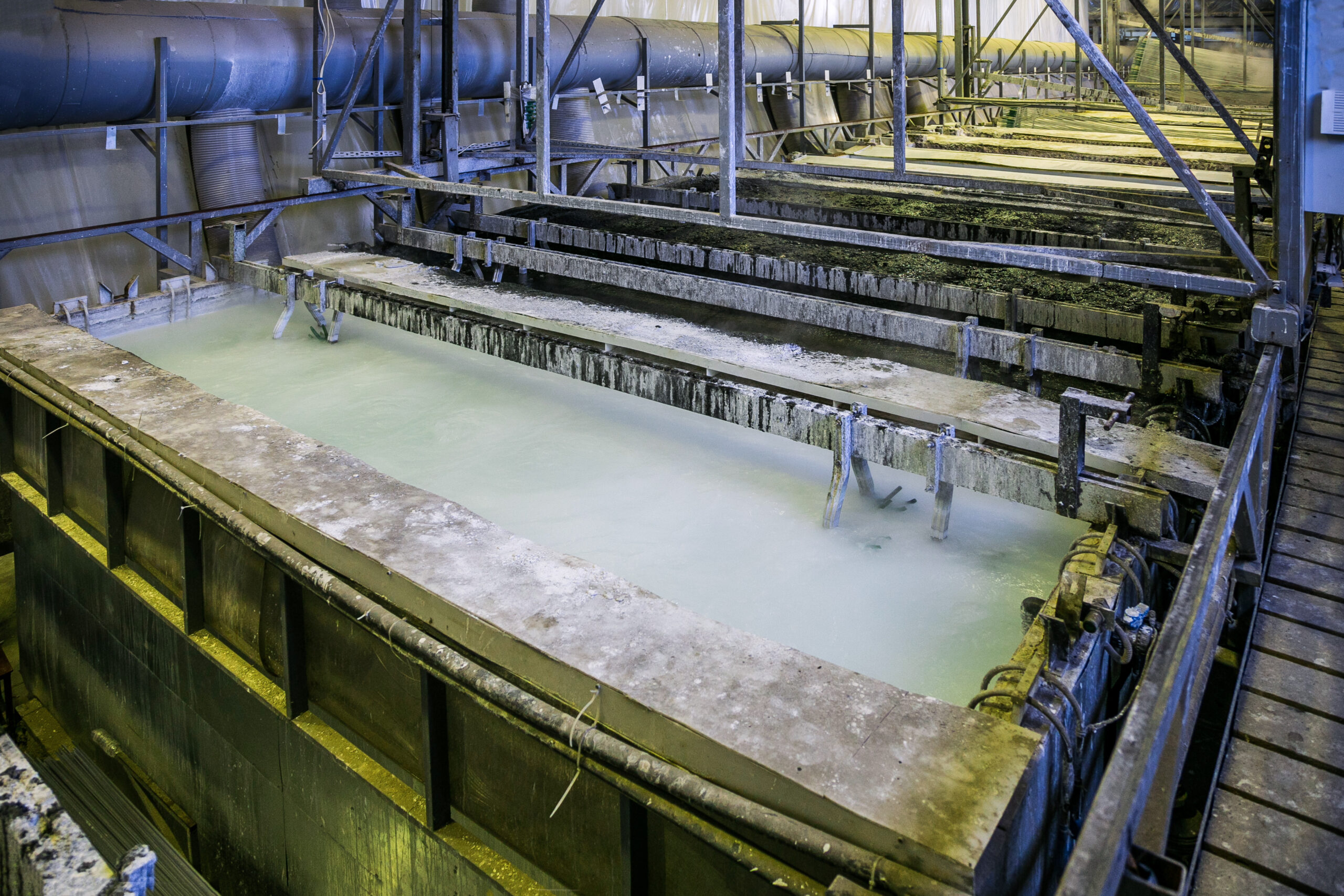
Insoluble titanium anodes operating in a nickel and chrome electroplating production line
Nickel & Chrome

Nickel / Chrome Plating DSA

Pb-free plate and mesh anodes for nickel, sulphamate and hard chrome baths that eliminate lead contamination and sludge.

CoatingIr-Ta MMO / Pt
Current density1–4 kA/m²
MediaChromic · sulphamate · Watt’s
Design life3–10 years
Precision ground Gr1 titanium substrate plate for electroplating anodes
Substrate

Precision Titanium Substrate

Flat, precision-machined Gr1 / Gr2 titanium plates and meshes that give every coating a consistent, clean base.

GradeGr1 / Gr2 per ASTM B265
Flatness≤1 mm/m²
FinishPickled / blasted
MachiningCutting · drilling · welding
Reference Specifications

Standard Dimensions & Output Data

Factory reference tables for the core plating anode formats, rated at 3 kA/m² unless stated. Other sizes and loadings can be customised on request.

Ir-Ta MMO Mesh Anode (PCB)Size (mm)Active Area (m²)Current @ 3 kA/m² (A)Loading (g/m²)Life (yrs)
Mesh 300 × 500300 × 500 × 1.50.3090015–253–8
Mesh 600 × 1200600 × 1200 × 1.51.44432015–253–8
DSA Plate Anode (Chrome / Nickel)Size (mm)Active Area (m²)Current @ 2 kA/m² (A)CoatingLife (yrs)
Plate 200 × 400200 × 400 × 20.16320Ir-Ta / Pt3–10
Plate 500 × 1000500 × 1000 × 21.002000Ir-Ta / Pt3–10
Platinized Titanium AnodePt Loading (g/m²)Current Density (kA/m²)Life (yrs)Application
Mesh / plate / rod5–200.5–2.03–10Precious metal · acid media
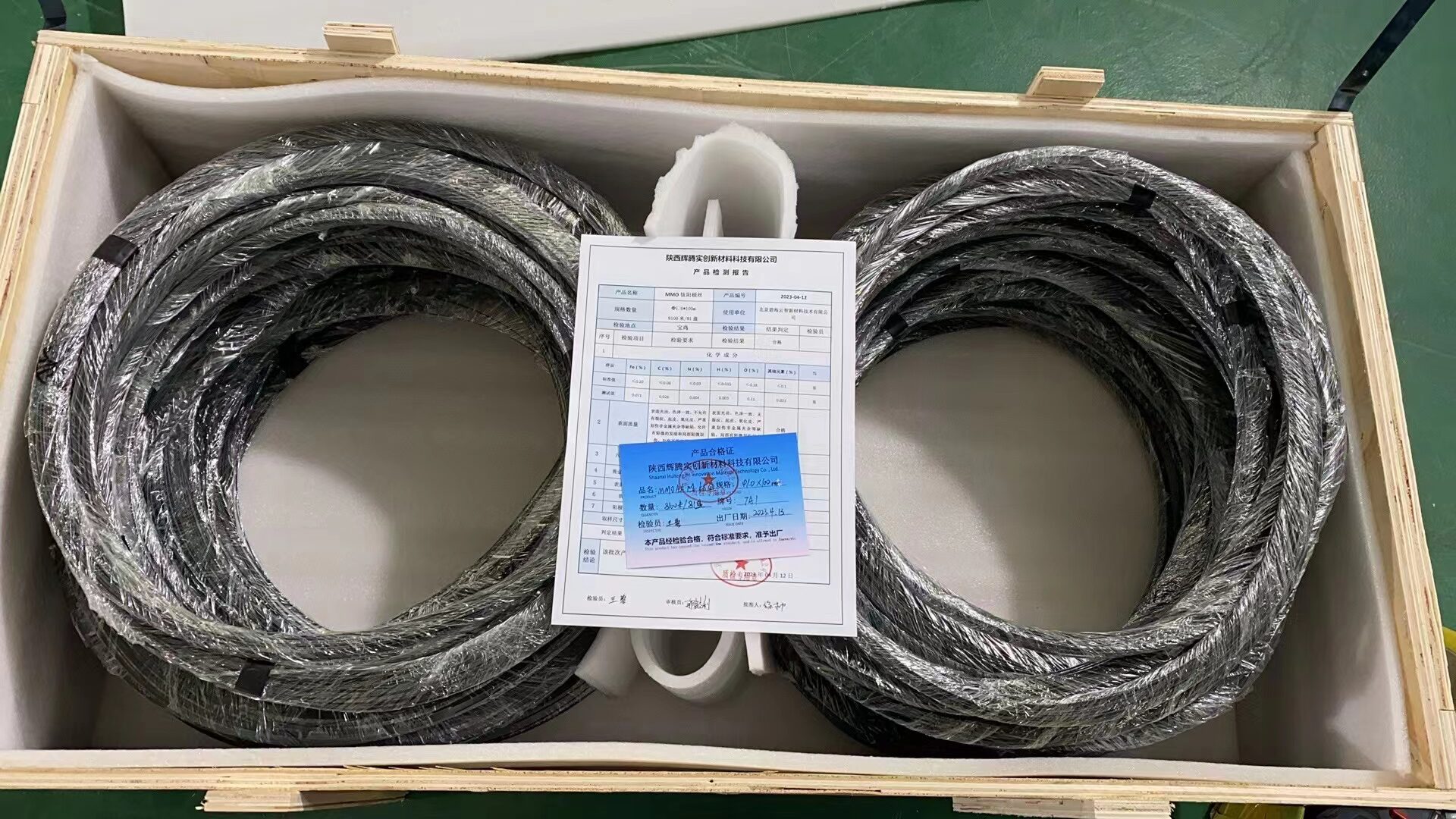
Titanium base: ASTM B265 Gr1 / Gr2 (plate & mesh)Gr1 composition: Fe ≤0.20% · C ≤0.08% · N ≤0.03% · H ≤0.02% · O ≤0.18% · Others ≤0.40% · Ti balance
Quality & Documentation

Documented Quality for Global Plating Lines

Every plating anode ships with traceable material, coating and testing records aligned to ISO-style quality management.

ISO 9001

Quality Management

All production runs under a certified quality management system with full batch traceability.

MTC

Material Certificates

Titanium substrate to ASTM B265 Gr1 / Gr2 with chemical and mechanical traceability.

XRF Data

Coating Verification

Coating thickness and precious-metal loading verified per batch — the parameters that actually control anode lifetime.

ALT Data

Accelerated Life Test

Performance verified per NACE TM0108-2008 at elevated current density under rated conditions.

3rd-Party

Independent Testing

Third-party reports available on request for coating thickness, adhesion and precious-metal loading.

Export Docs

Project Documentation

Certificate of conformity, packing list and inspection records prepared for export and audits.

MTCCoating ReportXRF DataALT DataInspection RecordCertificate of ConformityPacking List
Accelerated Life Testing

ALT Conditions per NACE TM0108-2008

Lifetime is verified by accelerated life testing — not field wait. We test at elevated current density and temperature, then convert the data to your operating rating.

Coating SystemMediumCurrent Density (A/m²)Temperature (°C)
Titanium-Aluminium1 mol/L Na₂SO₄10,00025 ± 5
Titanium-Manganese1 mol/L H₂SO₄20,00040 ± 5
Performance

Specs That Keep Plating Lines Running

2–6 kA/m²

Rated Current Density

Sustains high anode current for PCB, chrome, nickel and zinc lines without edge burning.

<0.01%

Contaminant-Free

Insoluble DSA releases no lead or sludge, keeping bath chemistry and deposits clean.

±5%

Uniform Distribution

Consistent current spread across the rack or reel means repeatable coating thickness.

15–25 g/m²

Precious Metal Loading

Ir / Ru / Pt loading verified per batch — the loading level is what actually controls anode lifetime.

FAQ

Frequently Asked Questions About Plating Anodes

Why should I replace my lead anodes with DSA?
Lead anodes dissolve over time, adding lead to the deposit and shedding sludge that contaminates the bath. Dimensionally stable titanium anodes (DSA) do not dissolve — they release oxygen instead — so bath chemistry stays clean, coating quality improves and filter and solution life increase. Over a full lifecycle, DSA is usually cheaper than continuously replacing lead.
Which coating should I choose: Ir-Ta MMO or platinum?
Ir-Ta MMO is the default for most plating baths — acid copper, nickel, chrome, zinc — and gives the best value for current density up to about 6 kA/m². Platinized titanium is used where very high conductivity, aggressive media or precision control matters, such as precious-metal plating. Send your electrolyte, pH, temperature and current density and we will specify the coating.
Why do plating anode prices vary so much?
Because the real cost is not titanium — it is coating engineering. Main factors: precious metal type (Ir, Ru, Pt), coating loading (g/m²), coating structure (single-layer vs multi-layer), real coated area (not just geometric area), and process control (sintering cycles, adhesion, porosity). Two suppliers quoting the same “Ir-Ta anode” can differ 2–3× in lifetime, which directly affects lifecycle cost.
How do I ensure sample quality matches bulk production?
At Ehisen, consistency is controlled by a fixed coating formulation (no random adjustment), the same production line for samples and bulk, controlled coating loading tolerance, batch traceability (LOT tracking) and process records (temperature, cycles, coating passes). The real difference between suppliers is not sample quality — it is whether bulk production can reproduce the same result.
What parameters should I confirm before purchasing plating anodes?
To avoid wrong selection, buyers should confirm: bath type and electrolyte composition (acidity, chlorides, additives), operating current density (A/m²), temperature range, expected lifetime (years or Ah), tank and rack geometry, required coating area, and format (mesh, plate, coil, rod). Without these parameters, any quotation is just a rough guess.
How long do plating anodes last?
At the rated current density, design life is typically 3–10 years depending on coating and bath aggressiveness. We verify performance with accelerated life testing per NACE TM0108-2008 and provide the data with your order.
Can you make anodes to fit my existing tank or rack?
Yes. We supply custom geometry — mesh, plate, coil or rod — to your tank and rack dimensions, with custom busbar connections and mounting holes. Send a drawing or the old anode and we will manufacture a drop-in replacement.
What current density should I design at?
Reference values are about 1–3 kA/m² for most chrome, nickel and zinc baths and up to 6 kA/m² for high-speed PCB copper. The correct value depends on coating, electrolyte and design-life basis — our engineers will confirm the rating for your bath.
What documents do you provide for export projects?
Material test certificates, coating reports, XRF data, accelerated life test data, inspection records, certificate of conformity and packing list. Third-party reports from national titanium testing centres can be arranged on request.
Do you provide samples before a bulk order?
Yes. Sample batches are produced on the same coating line with the same formulation and LOT tracking used for production, so bulk results reproduce the sample. Sample testing in your bath is recommended before large orders.
What is the lead time for plating anode orders?
Standard production typically ships in 2–4 weeks depending on format, coating and quantity; custom geometry and connections extend this slightly. We confirm a firm schedule with your order and update you from coating to packing list.
How many anodes do I need for my tank?
Quantity follows from your total plating current divided by the per-anode rated output at your design current density, with spacing rules for uniform distribution. Send us the tank size, current density and rack layout — we will calculate the count and arrangement for you.

Need the Right Plating Anode for Your Line?

Send us your plating process — bath type, electrolyte, current density, tank dimensions and target coating thickness — and our engineers will recommend the correct anode coating, geometry and quantity within 24 hours.

Talk to an Engineer Email Us
Request a Quote

Tell Us About Your Plating Line

Complete the fields below and send — your requirements will open in WhatsApp so our engineers can reply directly.

Prefer email? Write to [email protected] with the same details.

Related Applications

Explore More Industry Solutions

Plating Line Anatomy

The Components of a Modern Electroplating Line

Consistent plating is a system result — rectifier, anode, racking and bath control must work together. Ehisen supplies the anode at the heart of the current path.

01

Rectifier & Ripple Control

Converts AC to DC and sets the bath voltage and current density. Low-ripple output prevents nodule growth and keeps coating thickness uniform across the rack.

02

Plating Anodes

The current-discharging element — platinized titanium or Ir-Ta / Ru-Ir MMO in plate, mesh or rod format, rated to the electrolyte and target current density.

03

Racking & Busbar

Workpieces are carried on titanium or copper racks and connected to the busbar. Contact resistance and rack geometry directly affect coating distribution.

04

Bath Chemistry & Filtration

Heating, agitation, filtration and dosing keep metal ion concentration, temperature and impurities within range — the basis of repeatable plating quality.

05

Anode Baskets & Shields

Dimensionally stable anodes can be paired with screens and shielding to control current distribution at edges, avoiding burning and over-plating.

06

Process Monitoring & QC

Ampere-hour meters, thickness gauges and bath analysis log performance so plating quality is verified per lot, not just per shift.

Project Sequence

From Line Requirements to Installed Anodes

Retrofitting or building a plating line follows a proven four-stage sequence. Ehisen supports you at every stage with engineering input and documented hardware.

Step 1

Line Analysis

Bath chemistry, current density, tank size, rack geometry and target coating thickness are reviewed, then anode format, coating and quantity are calculated.

Step 2

Engineering & Sample

We recommend the coating system and can supply a sample anode for bath testing under your actual operating conditions before full production.

Step 3

Fabrication & QC

Anodes are manufactured with batch traceability, coating inspection and accelerated life testing, with full process records shipped alongside.

Step 4

Installation & Trial Run

Anodes are positioned, busbar connections verified, and current density checked during the trial run until coating thickness is uniform across the rack.

Engineering tips: keep anode-to-cathode spacing and rack loading consistent across the tank — uneven geometry concentrates current on edges and causes burning. Monitor rectifier ripple and bath impurities, and always record ampere-hours against coating thickness to prove process consistency before accepting a new line.
Why Ehisen

A Manufacturing Partner, Not Just an Anode Supplier

Buyers choose Ehisen because coating consistency, traceability and engineering response decide how long a plating anode really lasts — not just the catalogue price.

In-House Line

Controlled Coating

Coating applied on our own production line with a fixed formulation and controlled loading tolerance — samples and bulk runs are made to the same standard.

LOT Tracking

Full Traceability

Every batch carries a LOT number linking substrate material, coating process records, inspection results and shipping documents.

ALT Lab

Life-Test Verified

Accelerated life testing per NACE TM0108-2008 at 10,000–20,000 A/m² converts laboratory hours into your operating rating.

Free Design Help

Engineering Support

Our engineers review your bath chemistry, current density and tank geometry, then recommend coating, format and quantity — within 24 hours.

40+ Countries

Global Logistics

Export experience across 40+ countries with complete documentation: MTC, coating reports, inspection records, certificate of conformity.

On-Time

Reliable Delivery

Production planned against your line schedule, with order status updates from coating to packing list.

How We Work

From Your Enquiry to Delivered Anodes

A clear, three-step process keeps every plating order on specification and on schedule.

1

Send Requirements

Share your bath type, electrolyte, current density and target coating thickness via WhatsApp or email — or send a tank drawing and we will extract the parameters.

2

Engineering Review

Within 24 hours you receive a recommendation: anode coating, format, dimensions, quantity and the supporting calculation basis.

3

Fabrication & Shipment

After approval, production runs with batch QC, then ships with the full document pack: MTC, coating report, ALT data and packing list.

Our commitment: every plating anode order includes a standard 12-month warranty against coating defects, plus the design-life test data that supports your production plan. If the delivered material does not match the agreed specification, we replace it at our cost.

Get in Touch

Send us a message if you have any questions or request a quote. We will be back to you ASAP!